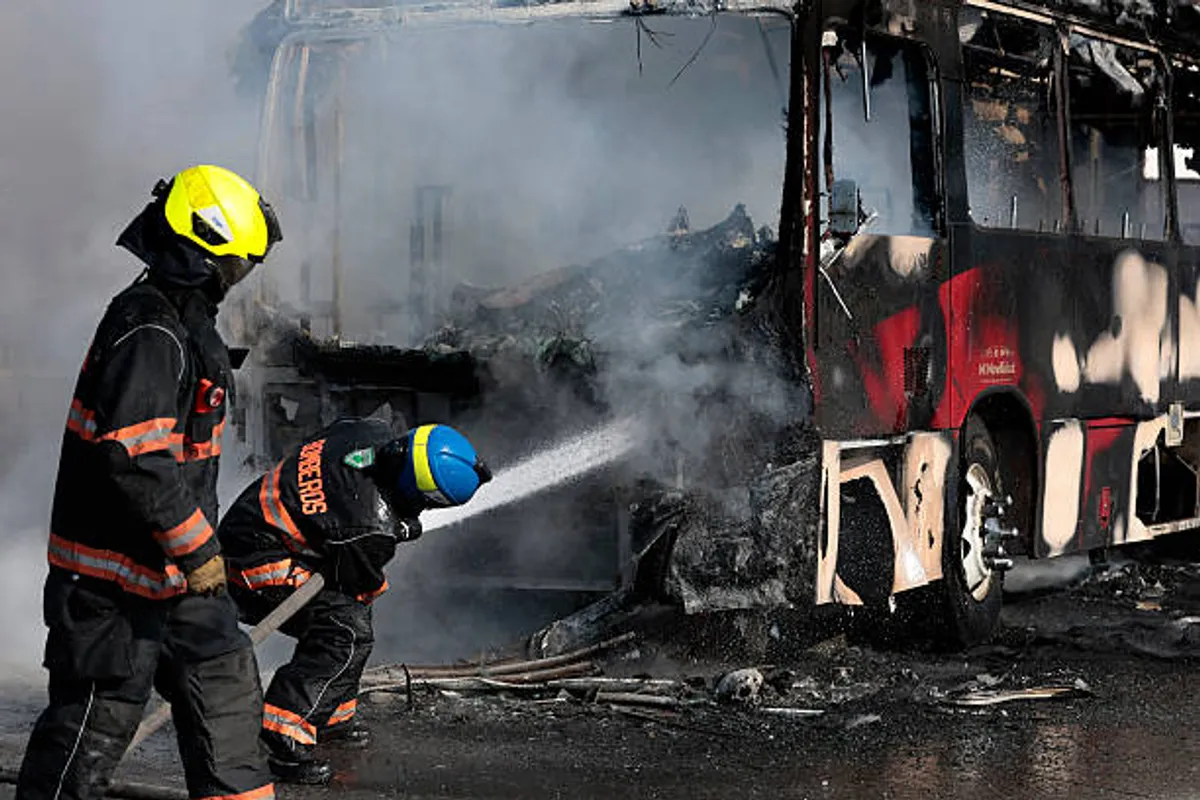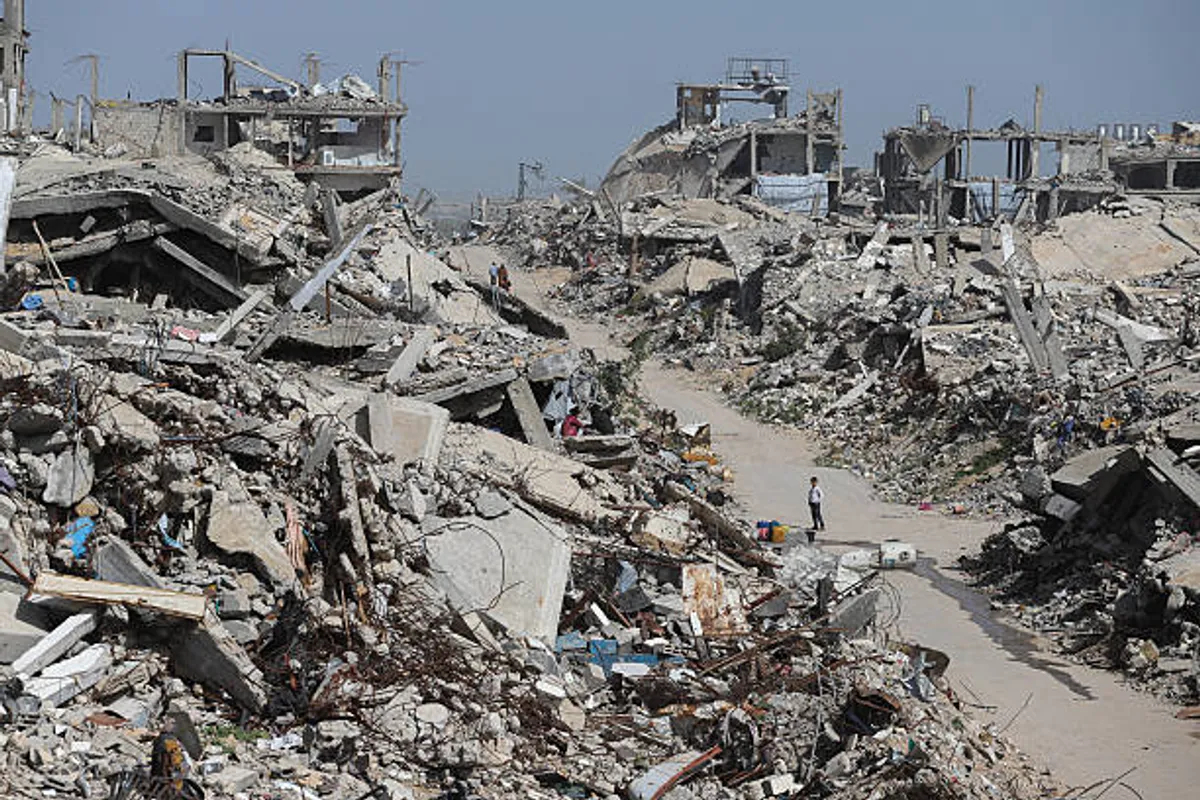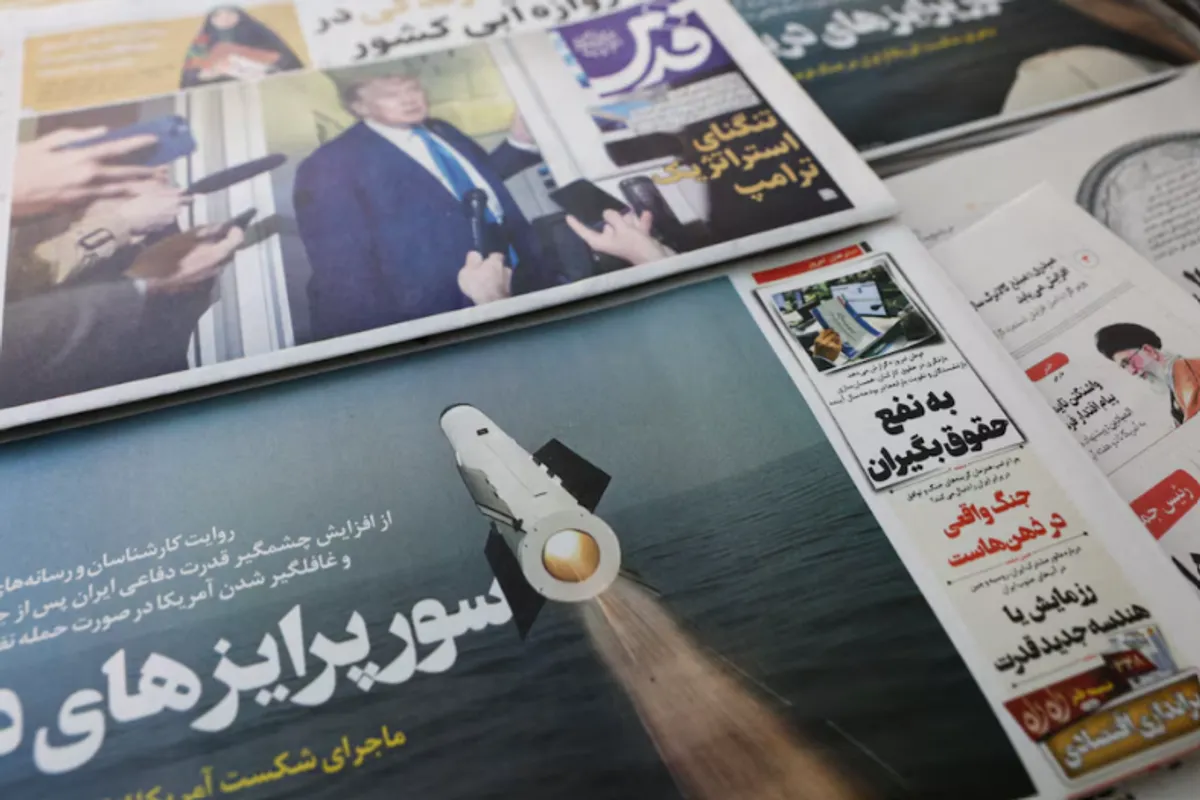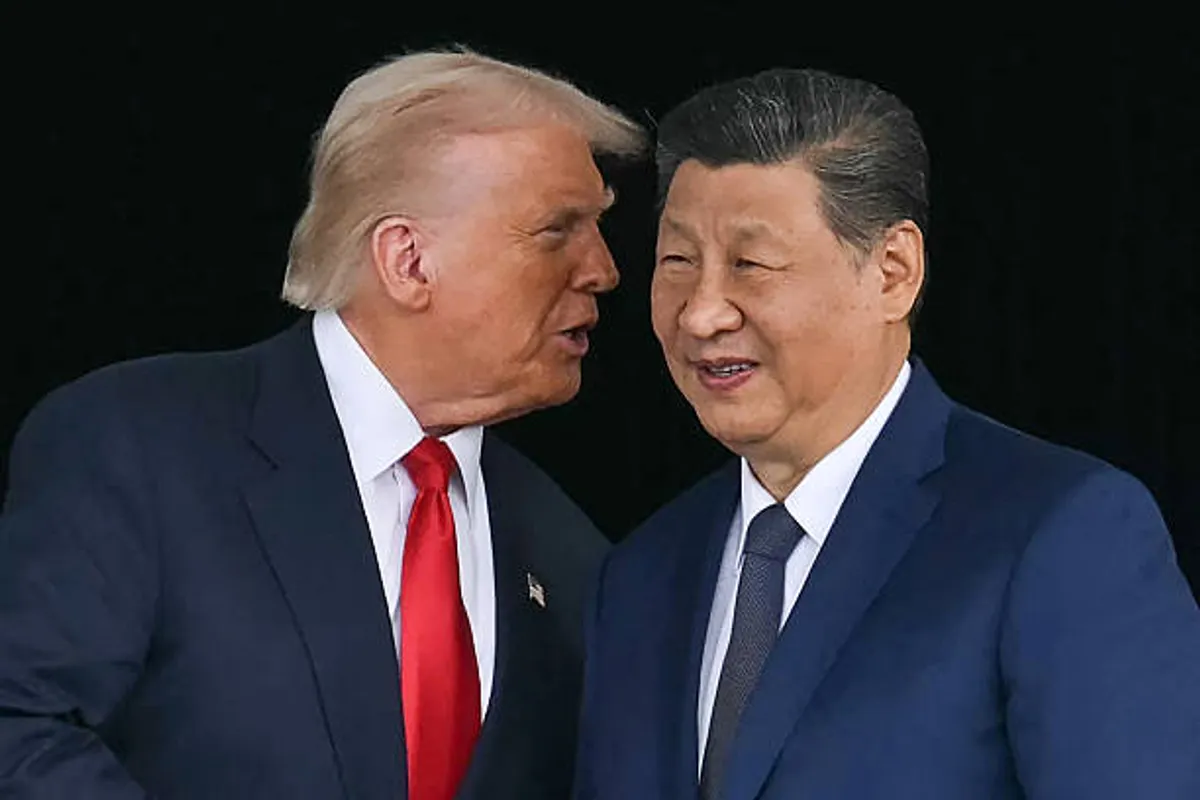

Geneva/Beirut, Feb 24 (GeokHub) – Israel has reportedly sent a stern warning to Lebanon that it would carry out “hard” strikes on the country, including targeting civilian infrastructure such as airports, if Hezbollah becomes involved in any potential U.S.-Iran military conflict. The warning, conveyed indirectly, reflects mounting regional tensions as diplomatic efforts to contain a broader conflict continue.
Lebanese officials, speaking anonymously, confirmed the message, though neither Israeli Prime Minister Benjamin Netanyahu’s office nor the Lebanese presidency has publicly commented. The announcement comes ahead of a third round of nuclear talks between Iran and the United States, scheduled in Geneva later this week.
Domestic and Regional Concerns
Lebanese Prime Minister Nawaf Salam, who has advocated for the disarmament of Iran-backed Hezbollah since taking office, urged the group to avoid drawing Lebanon into “another adventure,” emphasizing the heavy toll past conflicts have had on the nation.
Hezbollah, founded by Iran’s Revolutionary Guards in 1982, has been vocal in recent months about its stance in the standoff between Washington and Tehran. Its deputy leader, Naim Qassem, stated that the group is “not neutral” but remains strategic in choosing how to act in the event of escalation.
The warnings recall the devastation of past confrontations. In 2024, Israel struck Hezbollah heavily, killing thousands of fighters and its leader Hassan Nasrallah, and destroying a large portion of the group’s arsenal. During the 2023 Gaza conflict, Hezbollah engaged Israel in solidarity with Hamas, leading to months of cross-border fighting and significant losses for Lebanon.
U.S. Precautions and Ongoing Strikes
In response to rising threats, the U.S. State Department has evacuated non-essential personnel and eligible family members from its embassy in Beirut. Since the 2024 U.S.-backed ceasefire, Israel has carried out regular strikes against what it identifies as Hezbollah targets, alleging the group is rearming despite the truce. These strikes have reportedly resulted in around 400 casualties in Lebanon.
While Hezbollah maintains that it has respected the ceasefire in southern Lebanon, the Israeli government continues to monitor and respond to perceived violations. Lebanese authorities, including the U.S.-backed army, have asserted operational control over southern territories, aiming to consolidate the state’s monopoly on arms—a process Israel views as a positive but incomplete step.