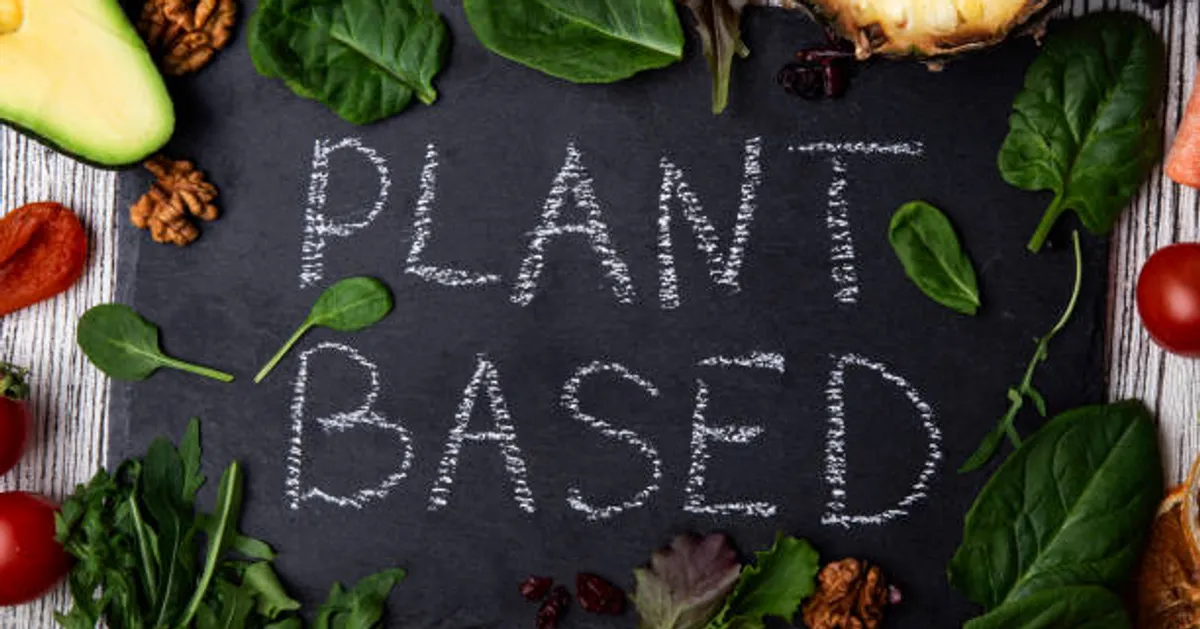
Plant-based diets are gaining popularity as a healthy, sustainable way to lose weight while boosting energy and overall wellness. Unlike fad diets, a well-structured plant-based approach focuses on whole foods, nutrient density, and long-term habits. For beginners or those seeking a structured plan, a week-by-week guide can help transition smoothly while achieving weight loss goals.
Why a Plant-Based Diet Helps with Weight Loss

A diet rich in vegetables, fruits, legumes, whole grains, nuts, and seeds offers:
- High fiber content: Promotes satiety and reduces overeating
- Lower calorie density: Allows larger meals with fewer calories
- Improved metabolism and digestion
- Natural reduction of processed foods and sugars
By replacing processed snacks with plant-based alternatives, the body receives essential nutrients while naturally reducing caloric intake.
Week-by-Week Plan
Week 1: Transition and Awareness
Focus on eliminating heavily processed foods and increasing plant-based meals gradually:
- Replace one meal per day with a plant-based option
- Include at least 2 servings of vegetables in each meal
- Drink plenty of water and limit sugary drinks
Tip: Keep a food journal to track progress and habits.
Week 2: Increase Fiber and Protein
Introduce high-fiber, protein-rich plant foods to keep you full longer:
- Add legumes like lentils, chickpeas, and black beans
- Include whole grains like quinoa, oats, and brown rice
- Snack on nuts, seeds, and fresh fruits
Tip: Try simple plant-based recipes like vegetable stir-fry, lentil soup, or overnight oats.
Week 3: Meal Planning and Consistency
Plan meals ahead to avoid slipping back into old habits:
- Prepare meals for the week to reduce reliance on convenience foods
- Ensure each meal includes protein, healthy fats, and fiber
- Experiment with plant-based alternatives for dairy and meat
Tip: Swap dairy milk for almond, oat, or soy milk, and try tofu or tempeh for protein.
Week 4: Optimize and Fine-Tune
Focus on portion control and mindful eating:
- Listen to hunger cues and avoid eating out of boredom
- Include a variety of colorful vegetables to maximize nutrients
- Incorporate light exercise like walking, yoga, or home workouts
Tip: Avoid “plant-based junk food” like fried snacks or sugary vegan desserts; whole foods are key.
Tips for Long-Term Success
- Stay hydrated: Water helps digestion and reduces cravings
- Prepare snacks: Keep cut veggies or fruit ready for quick meals
- Track progress: Weigh-ins or measurements once a week to monitor results
- Stay flexible: Occasional indulgences are fine, focus on overall pattern
- Incorporate movement: Regular exercise boosts metabolism and supports weight loss
Benefits of a Plant-Based Weight Loss Plan
Following this structured approach can lead to:
- Sustainable weight loss without extreme restriction
- Improved digestion and gut health
- Enhanced energy levels and mental clarity
- Reduced risk of chronic diseases like heart disease and diabetes
- A healthier relationship with food
Final Thoughts
A plant-based diet is not just a short-term strategy—it’s a lifestyle that promotes weight loss, health, and sustainability. By following this week-by-week plan, you can transition gradually, build healthy habits, and achieve your weight loss goals naturally. Consistency, variety, and mindful eating are the keys to long-term success.