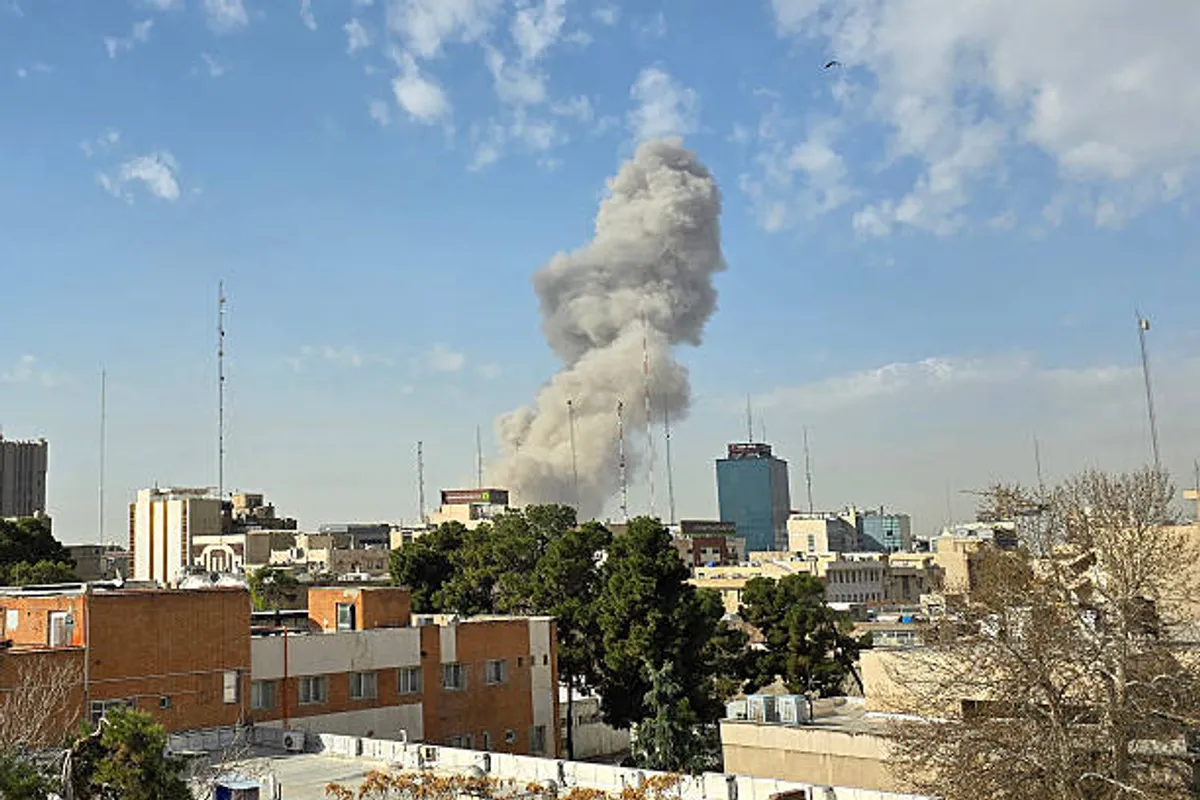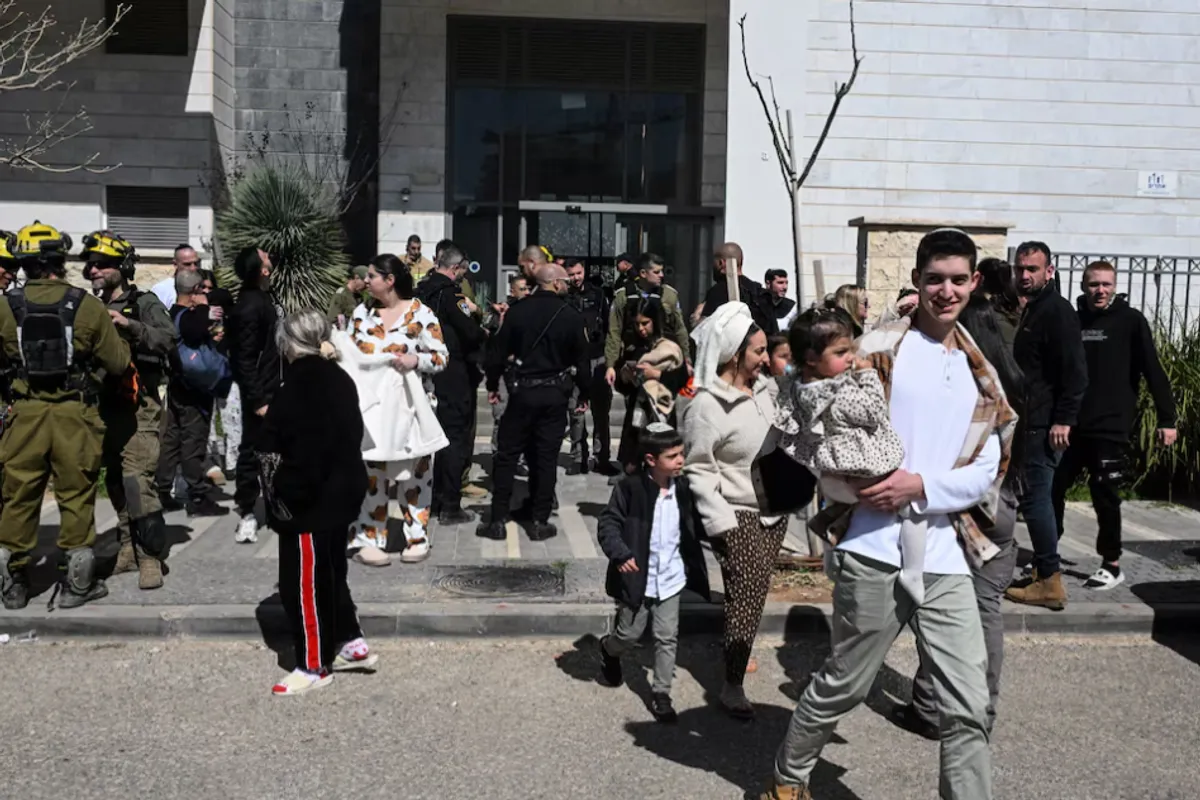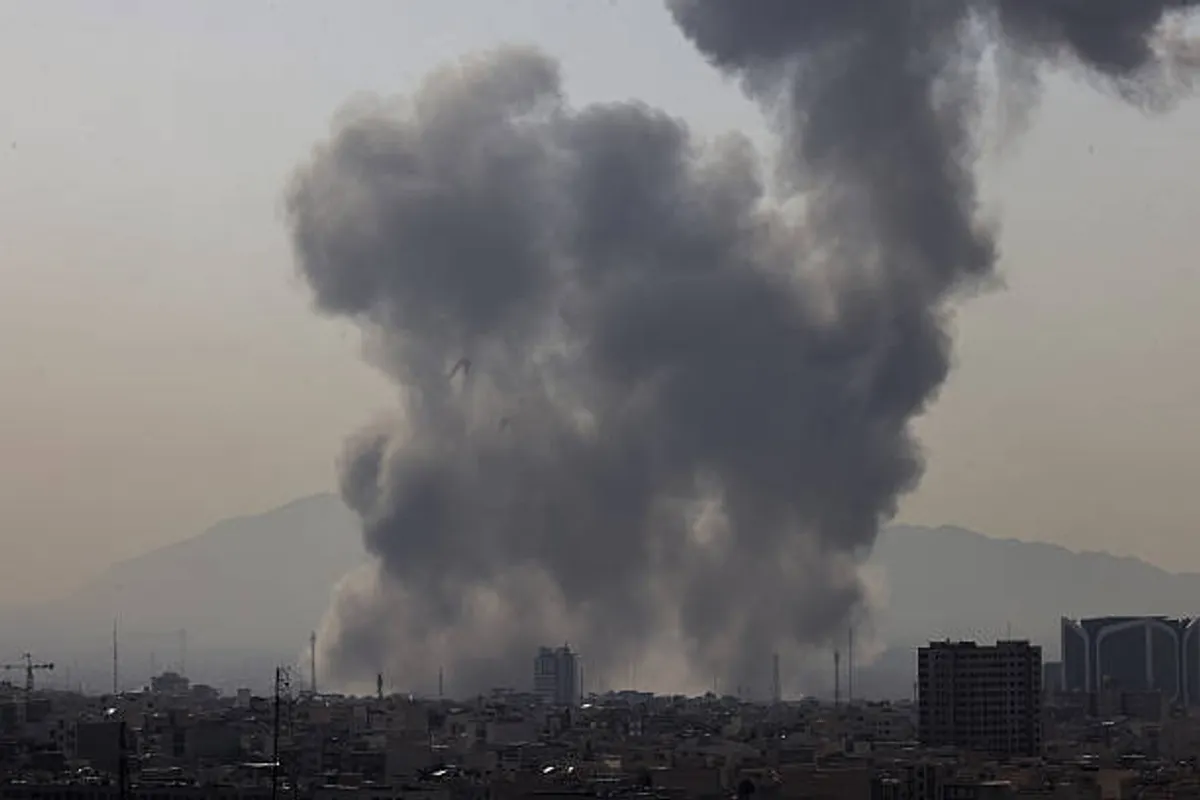
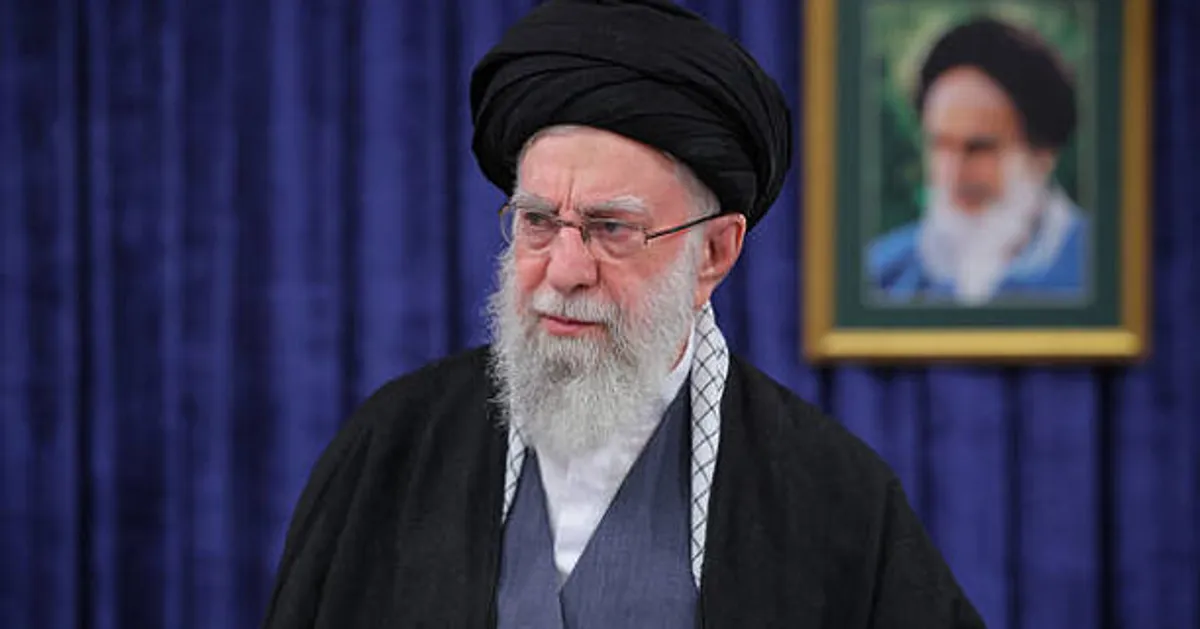
February 28 (GeokHub) — Iran’s Supreme Leader, Ali Khamenei, has reportedly been killed in U.S.–Israeli airstrikes, according to statements from U.S. President Donald Trump and a senior Israeli official. Iranian authorities have not formally confirmed the reports.
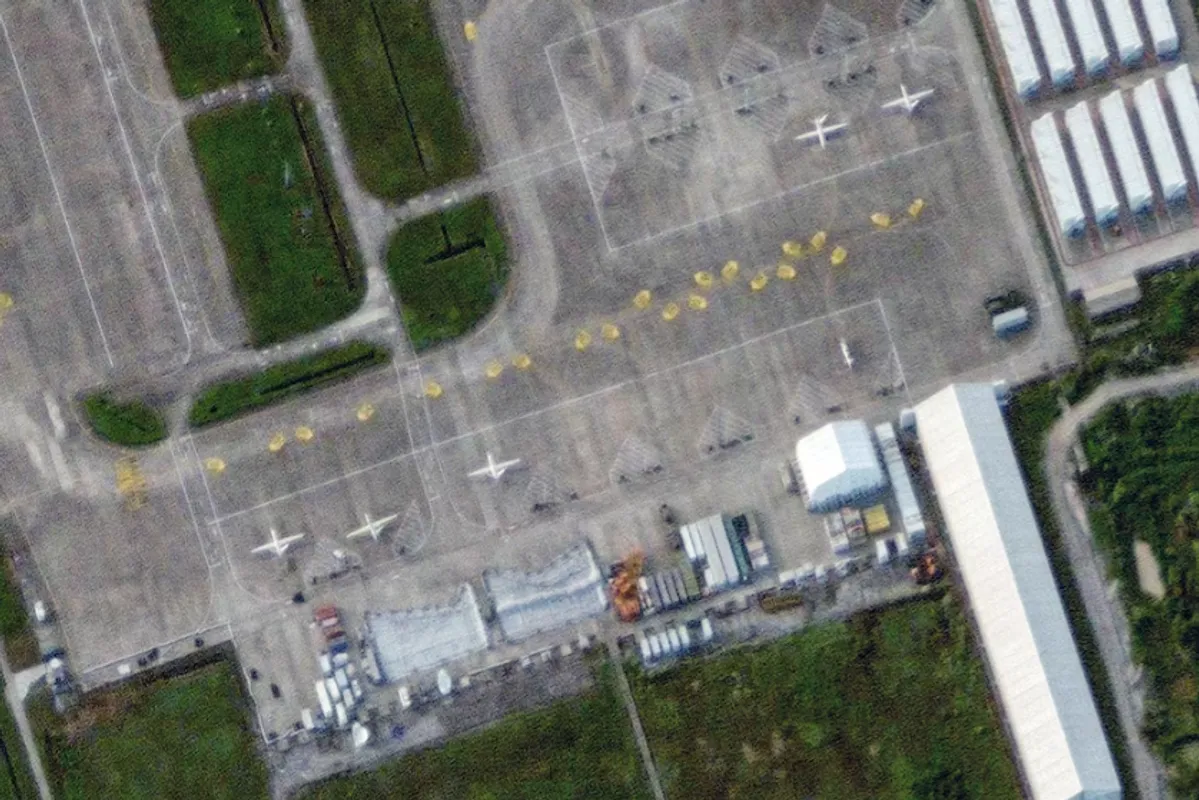
Satellite imagery circulating late Saturday showed extensive damage to a key compound in Tehran believed to be associated with the Supreme Leader, fueling speculation that the 86-year-old cleric may have been among the casualties in the latest escalation of regional hostilities.
If confirmed, his death would represent the most dramatic leadership change in Iran since 1989, when Khamenei assumed the country’s highest office following the death of revolutionary founder Ruhollah Khomeini.
A Leader Defined by Confrontation
Khamenei’s decades-long rule was marked by deep mistrust of Western powers, particularly the United States, and unwavering opposition to Israel. Under his leadership, Iran expanded its regional influence through alliances and proxy forces across the Middle East, positioning itself as a central actor in regional geopolitics.
At home, his tenure was characterized by firm control over political dissent. Security forces repeatedly suppressed nationwide protests, most notably following the disputed 2009 presidential election and subsequent waves of unrest in later years.
Though unelected officials managed daily governance, no major policy decision — especially regarding national security or relations with Washington — moved forward without his approval. His authority rested not only on clerical leadership but also on a powerful security infrastructure that reinforced his control.
Military Pressure and Mounting Strain
In recent years, Iran faced increasing military and economic pressure. Israeli and U.S. strikes targeting Iranian-linked infrastructure across the region intensified tensions. Tehran’s missile and nuclear programs became focal points of international disputes.
Khamenei consistently rejected demands to curtail ballistic missile development, viewing it as a crucial deterrent capability. Even so, he demonstrated occasional tactical flexibility when regime survival appeared at risk, including conditional support for Iran’s 2015 nuclear agreement with world powers.
The withdrawal of the United States from that agreement during Trump’s first term and the reimposition of sanctions triggered renewed confrontation, further isolating Iran economically.
Security Apparatus at the Core of Power
Central to Khamenei’s authority was his close relationship with the Islamic Revolutionary Guard Corps and the Basij paramilitary network. These forces played a decisive role in containing domestic unrest and consolidating the state’s internal security structure.
His political evolution was shaped by imprisonment under the Shah’s rule, participation in the 1979 revolution, and the Iran–Iraq war. An assassination attempt in 1981 left his right arm paralyzed — an event often cited as formative in shaping his worldview.
Initially regarded by some observers as a compromise successor lacking the religious stature of his predecessor, Khamenei ultimately consolidated power over decades, becoming one of the most influential figures in modern Iranian history.
Confirmation from Iranian authorities remains pending.