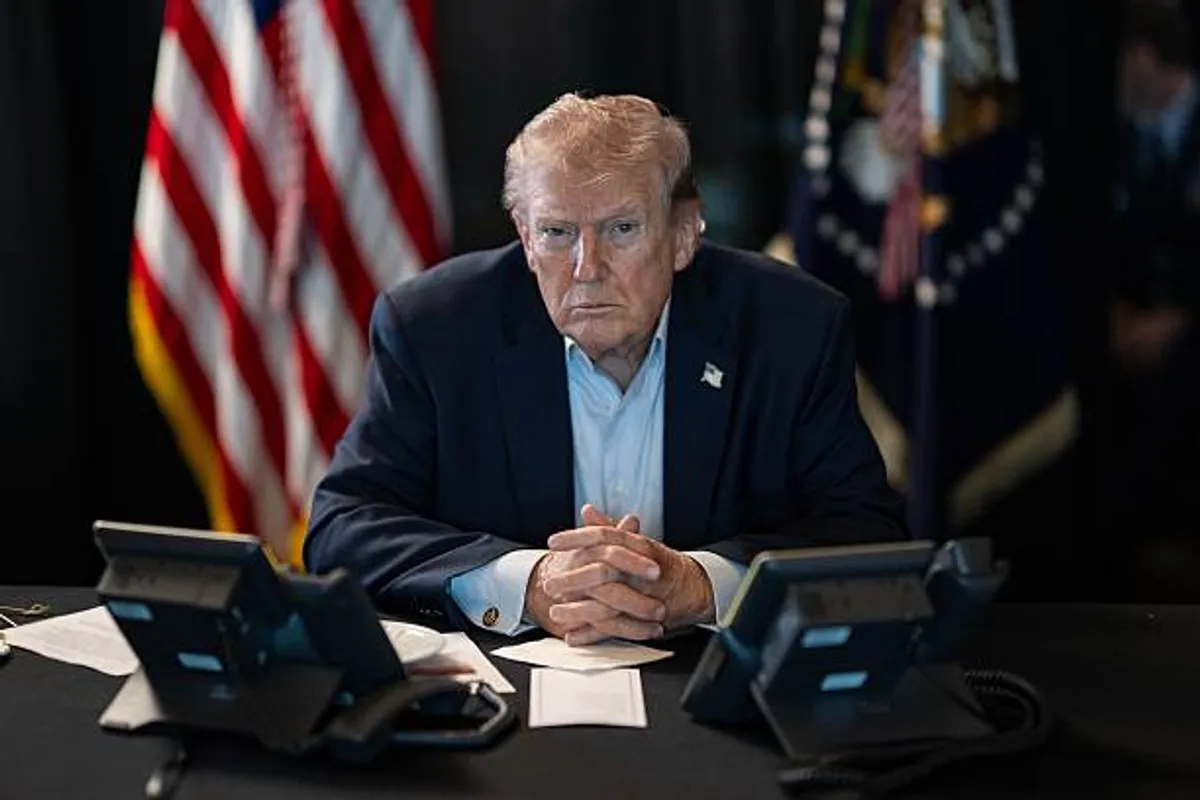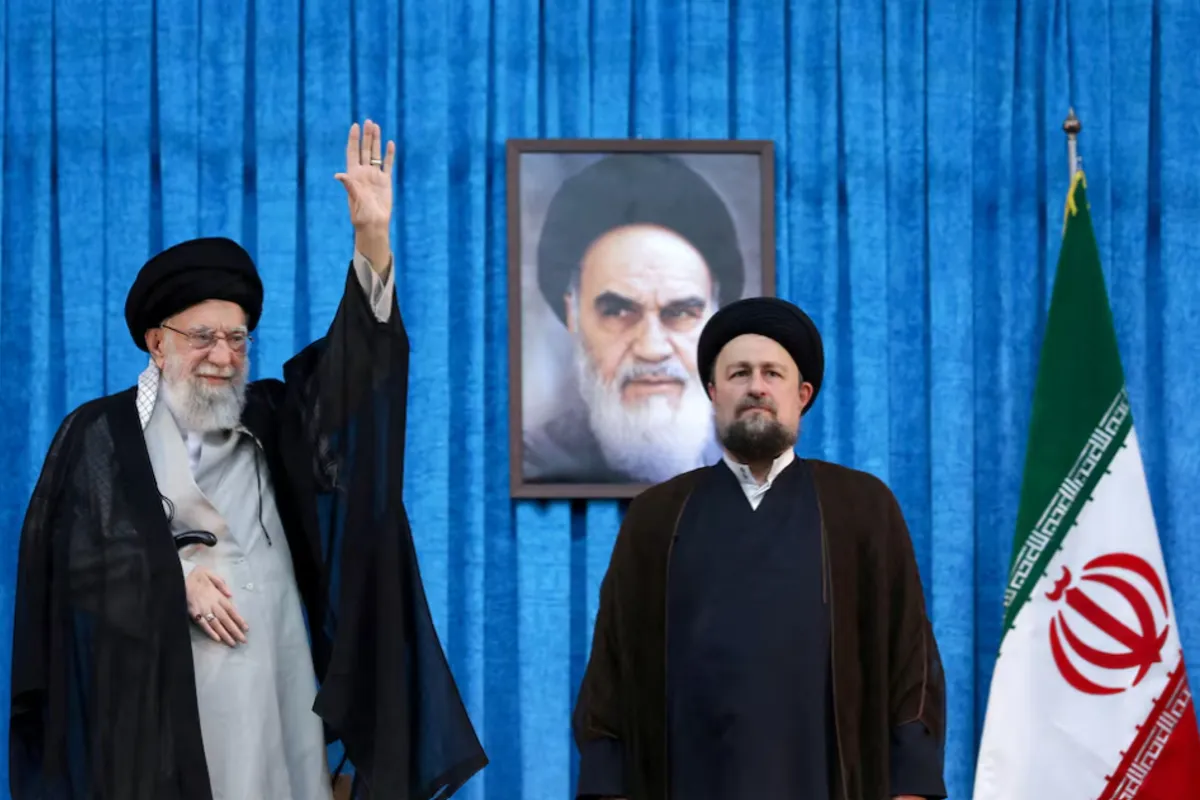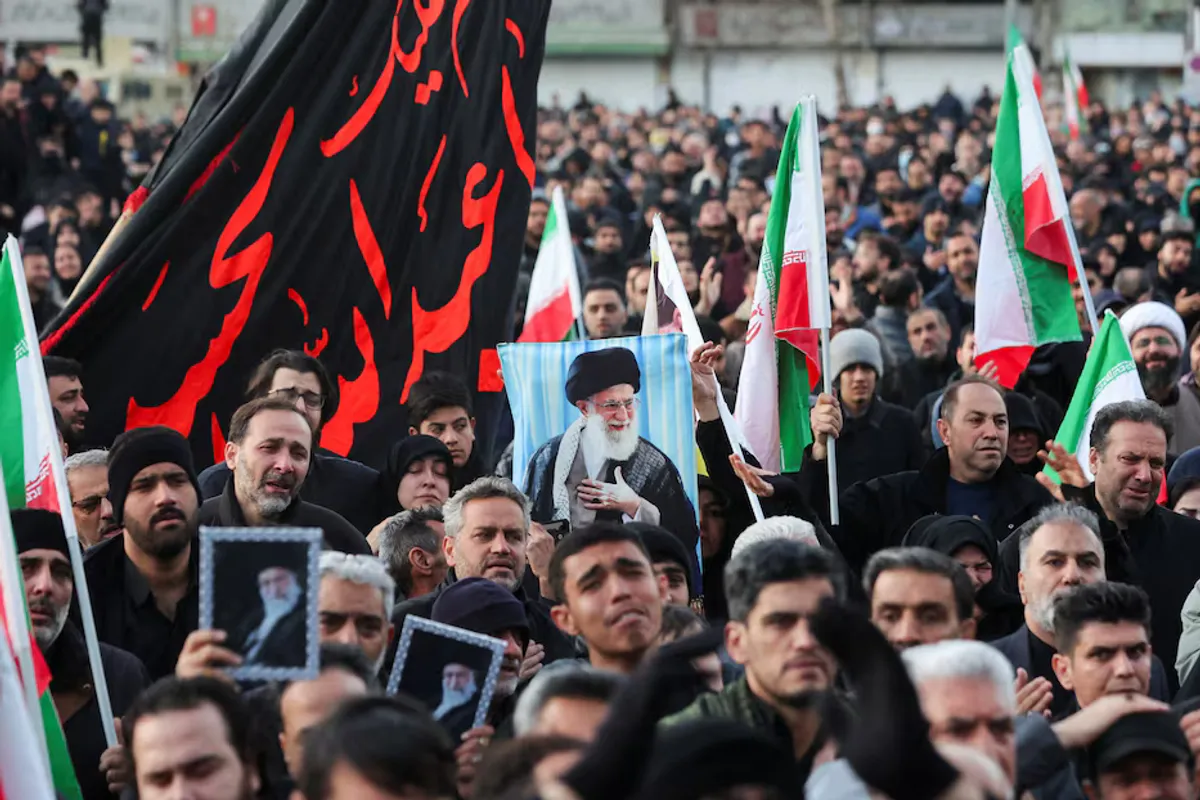
DUBAI, March 5 (GeokHub) — Facing relentless military pressure from the United States and Israel and reeling from the death of its supreme leader, Iran now finds itself increasingly isolated on the global stage, with long-time partners Vladimir Putin and Xi Jinping offering little more than diplomatic criticism of the conflict.
While both Russia and China have condemned the military campaign against Iran, neither has shown any sign of providing direct military support, leaving Iran to confront an expanding conflict largely on its own.
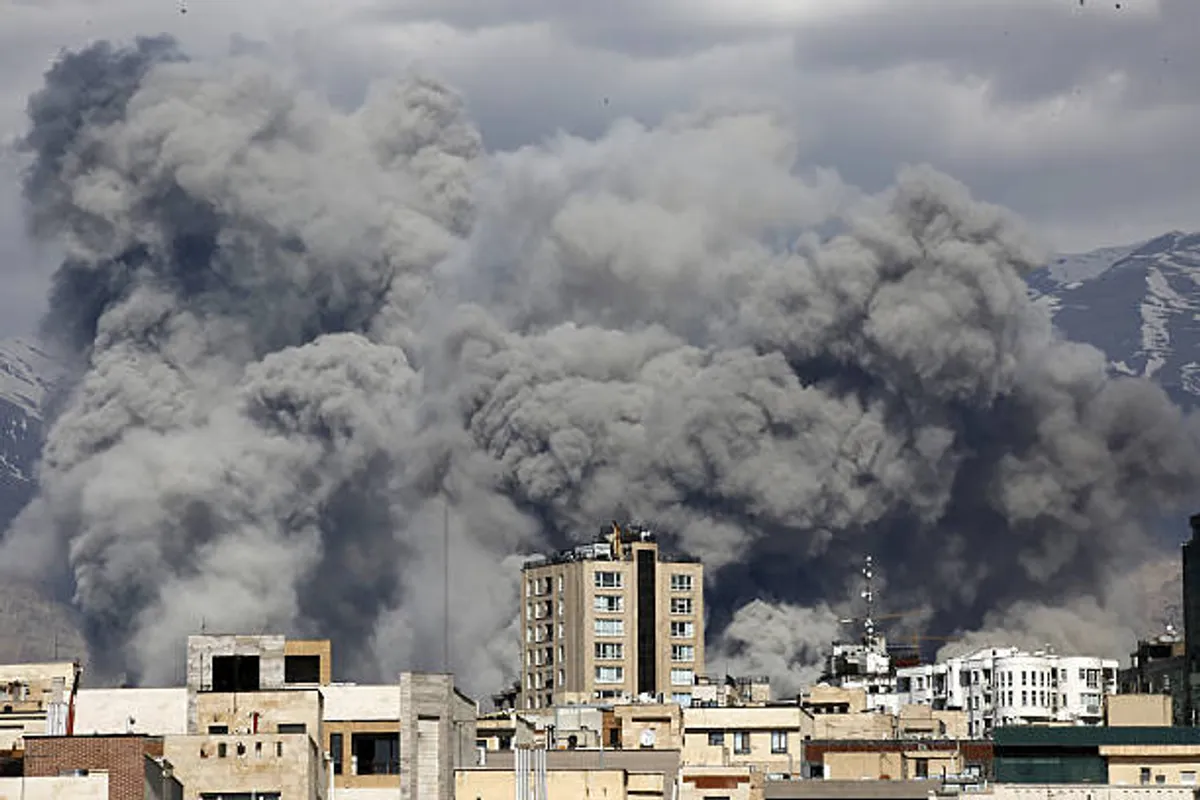
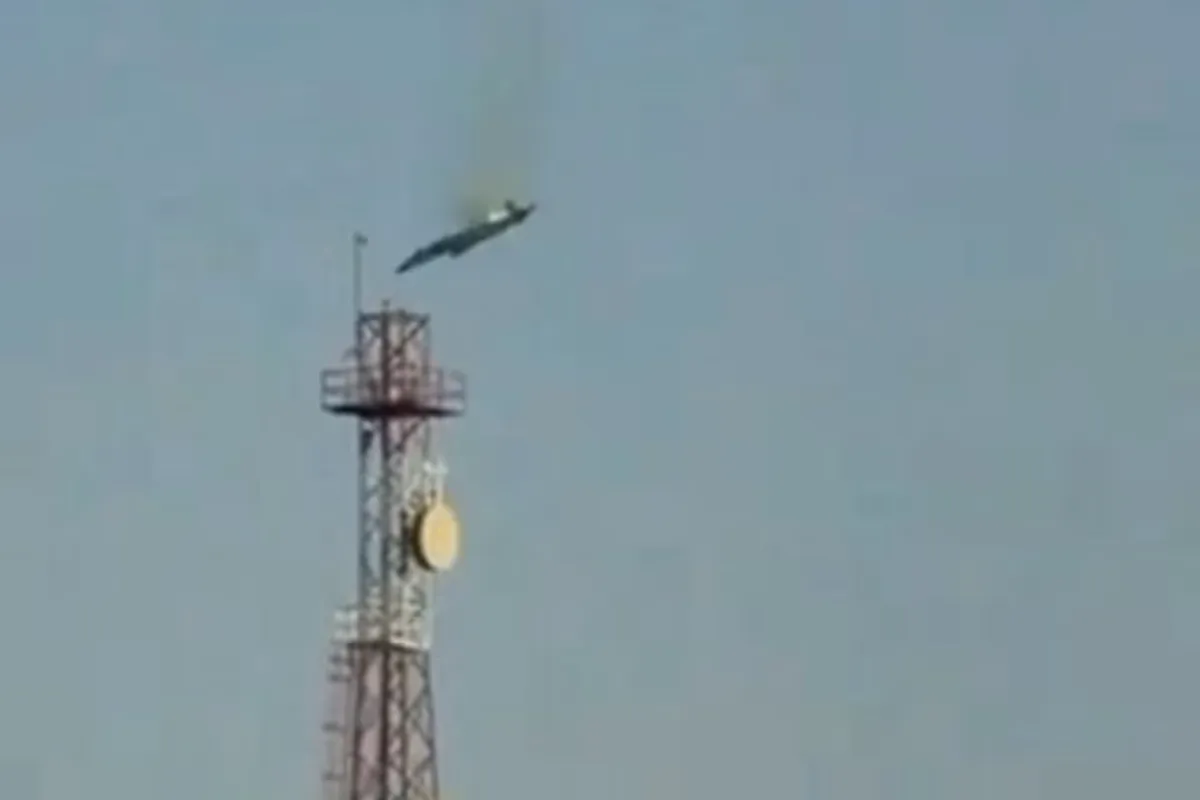
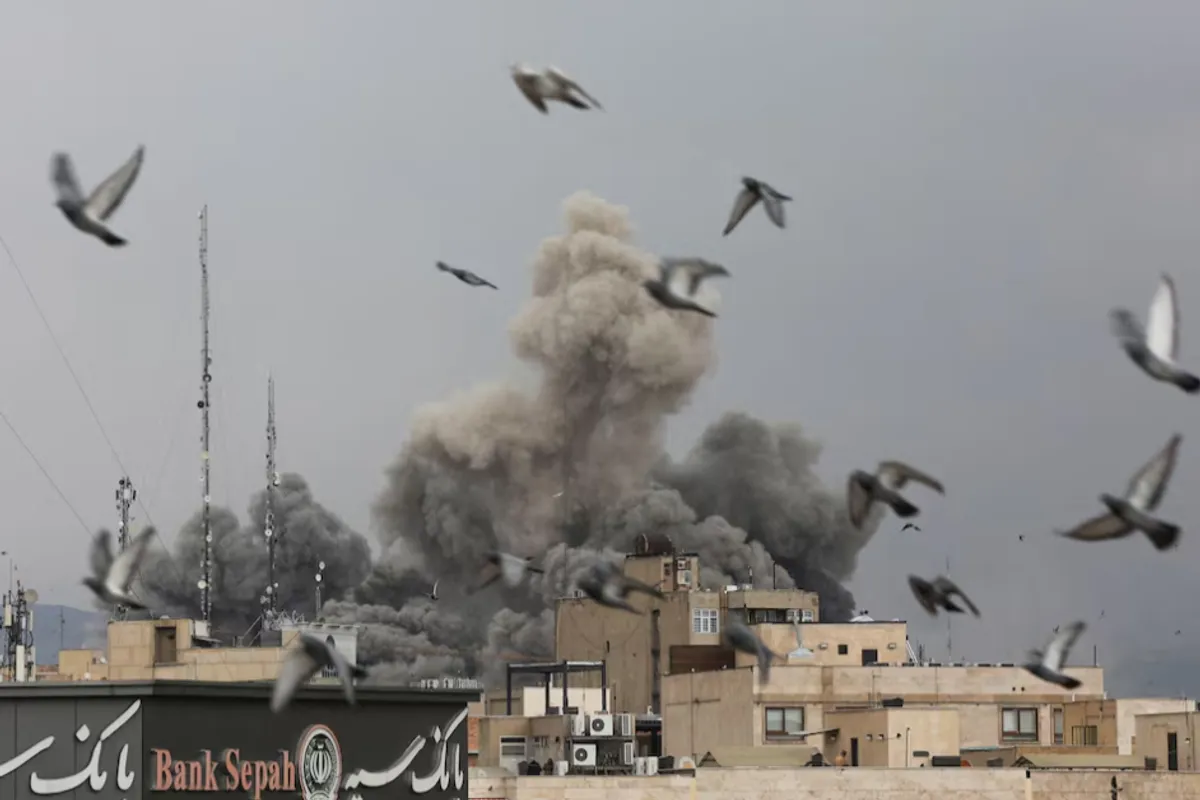
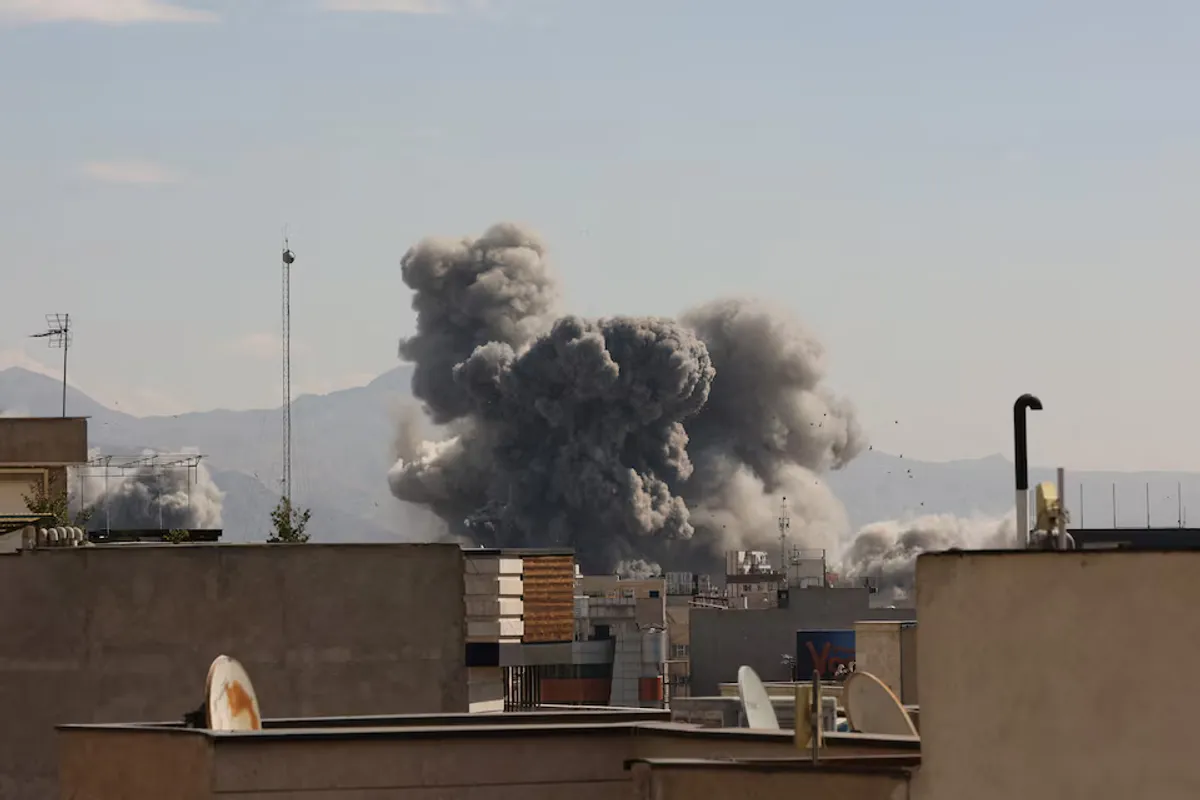
Tehran has responded to the attacks by widening the war beyond its borders, launching missiles and drones that have struck targets across the region and disrupted global energy markets. The attacks have rattled governments from Washington to Beijing while threatening shipping routes that carry a significant portion of the world’s oil through the Strait of Hormuz.
Regional Attacks Spread the Conflict
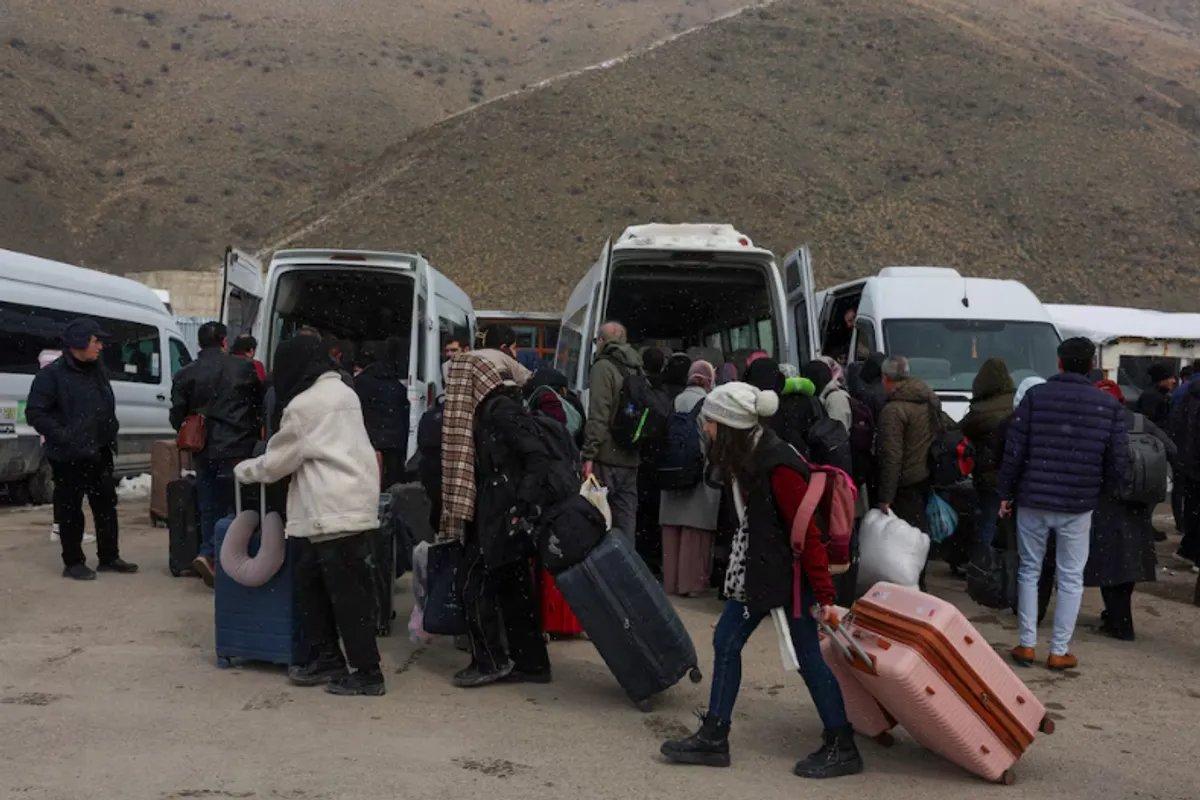
Iranian missiles have reached multiple countries beyond the immediate battlefield, including Cyprus, Azerbaijan and Turkey, while Gulf states have reported strikes targeting energy infrastructure and facilities linked to Western interests.
Several oil refineries, supply routes and strategic installations have been damaged in the attacks, causing major disruptions to global crude and natural gas flows.
With shipping traffic through the Strait of Hormuz severely restricted, energy prices have surged and global markets have grown increasingly volatile as governments scramble to secure alternative supplies.
Strategic Restraint From Moscow and Beijing
Analysts say the limited reaction from Moscow and Beijing reflects a calculated decision to avoid direct confrontation with the United States.
“Putin has other priorities, and chief among them is Ukraine,” said Anna Borshchevskaya, a Russia specialist at the Washington Institute. Direct military involvement against the United States, she said, would carry enormous risks with little strategic reward.
Russia’s military resources remain heavily committed to the war in Ukraine, limiting its ability to support partners abroad.
A senior Russian source said the escalating conflict around Iran has already shifted global attention away from Ukraine — a development that indirectly benefits Moscow.
Despite years of cooperation with Tehran, both Russia and China appear unwilling to escalate the crisis further by entering the conflict.
A Strategic Paradox
For years, Iran has been viewed as an important partner within the geopolitical alignment challenging Western influence. Yet the current conflict highlights the limits of that partnership.
China has invested heavily in diplomatic engagement across the Middle East and built strong economic ties with countries on both sides of regional rivalries. Direct military intervention in the conflict would risk damaging those relationships and threatening vital trade routes.
Experts say Beijing’s approach to alliances differs significantly from Washington’s. Instead of defense treaties and military commitments, China tends to focus on partnerships centered on trade, investment and technology cooperation.
That model allows Beijing to maintain influence while avoiding the costs of foreign wars.
Watching From the Sidelines
Some analysts suggest the conflict could even offer strategic advantages for China. With U.S. forces heavily engaged in the Middle East, Beijing can observe American military capabilities and operational tactics while Washington’s attention is diverted from East Asia.
Energy security remains China’s biggest concern. Nearly half of its imported oil flows through the Strait of Hormuz, making prolonged disruptions a significant economic risk.
However, analysts say China has built large strategic reserves and stockpiled Iranian oil supplies, providing a buffer against short-term disruptions.
Higher Oil Prices Boost Moscow
For Russia, rising oil prices triggered by the conflict could provide an economic boost at a time when Western sanctions continue to pressure its economy.
Still, analysts say Moscow is unlikely to tie its fate to Tehran’s survival.
Russia’s approach is pragmatic: maintaining relations with Iran while preserving the flexibility to work with any future government that may emerge from the crisis.
Observers point to Moscow’s actions in Syria as a precedent. Despite years of backing former leader Bashar al-Assad, Russia quickly adapted to new political realities while maintaining its strategic military bases in the region.
The same strategy could shape its approach to Iran, ensuring that Moscow protects its long-term interests regardless of how the conflict ultimately unfolds.