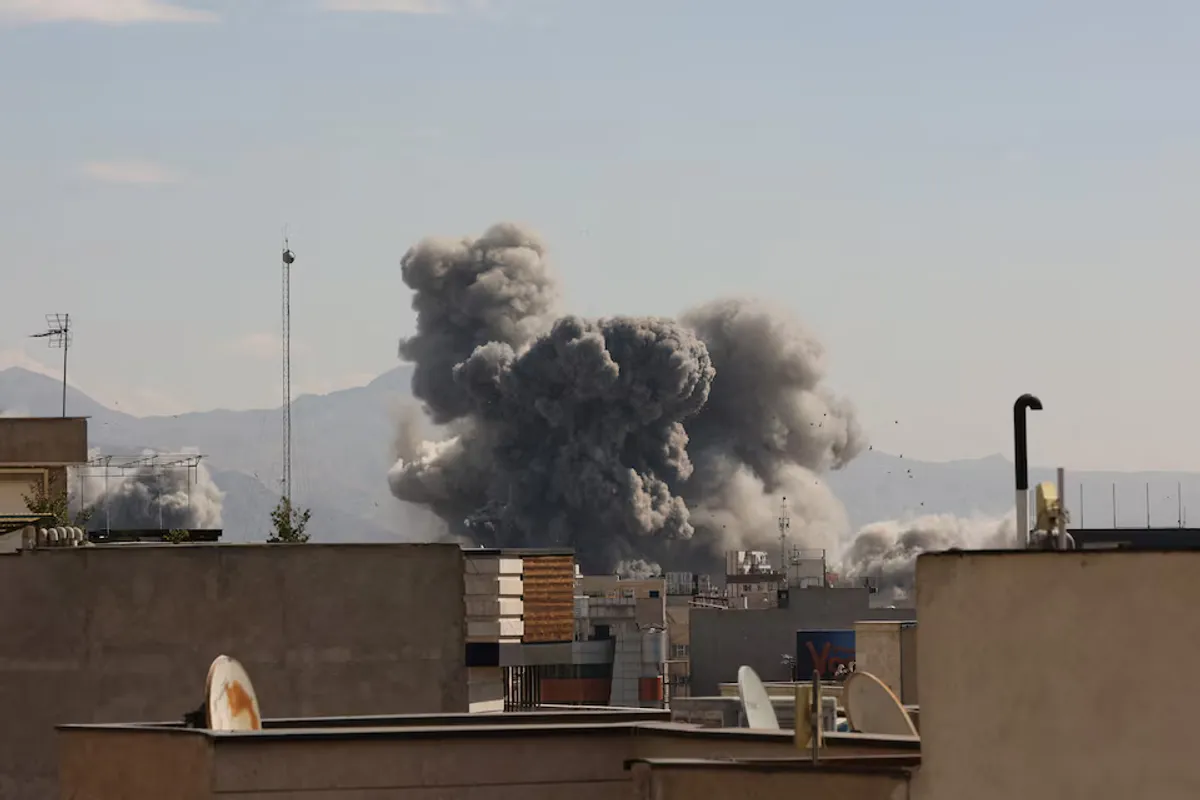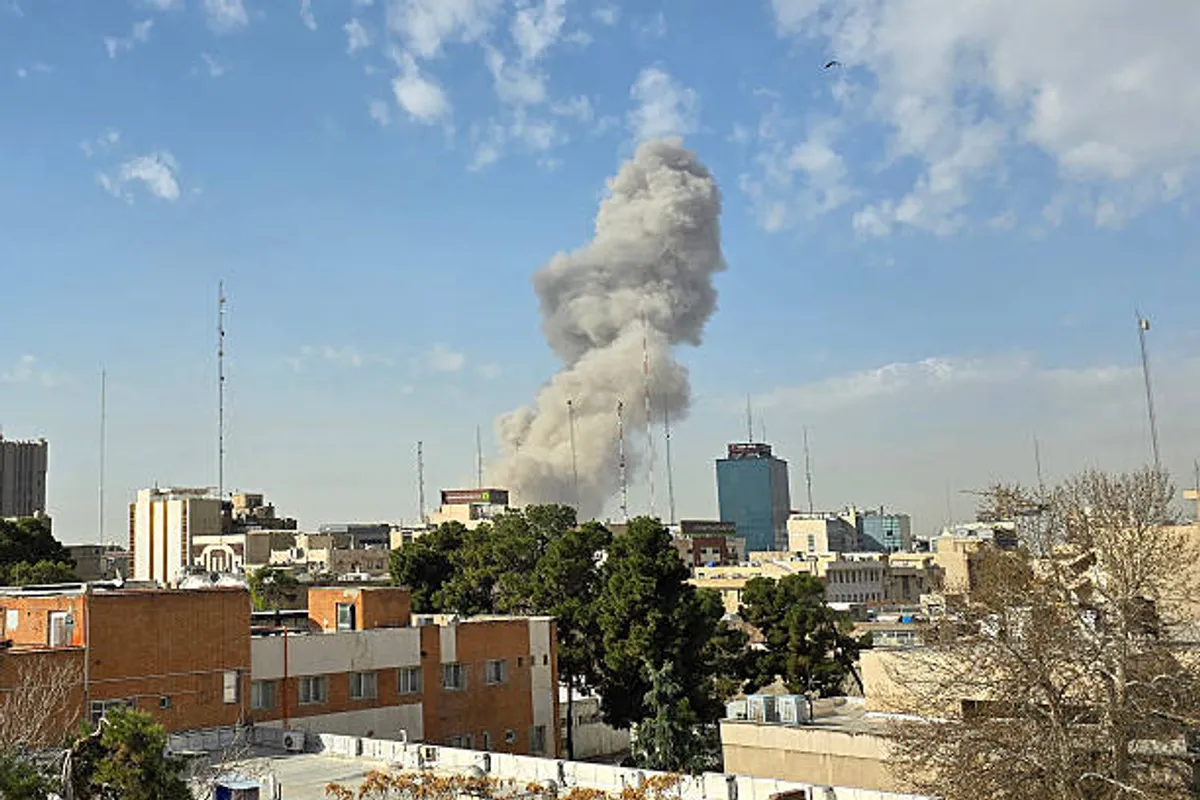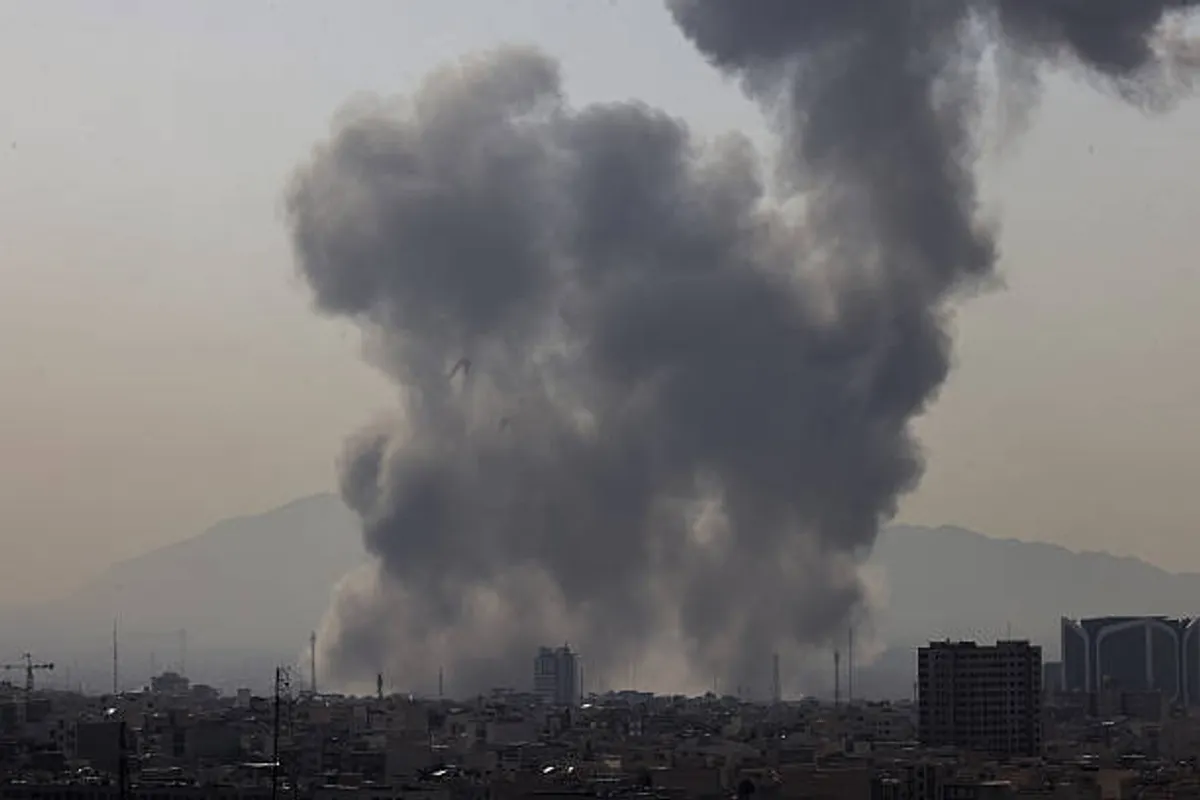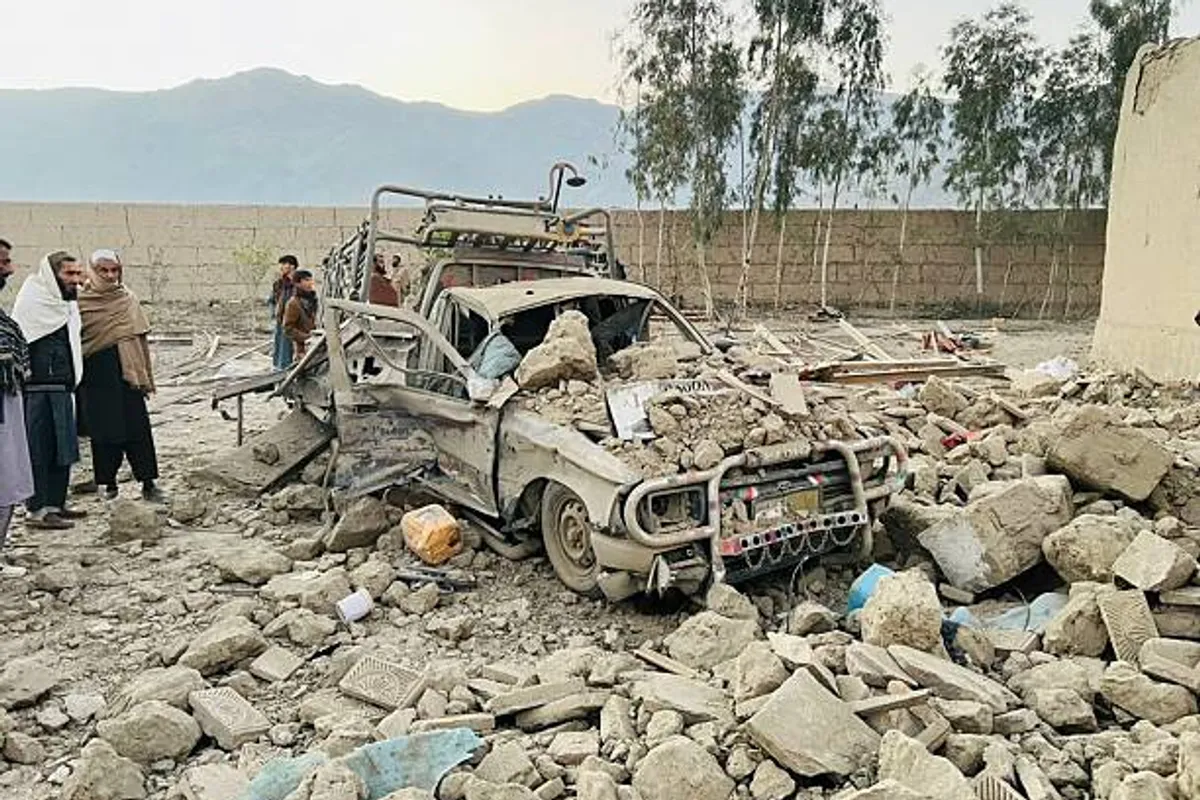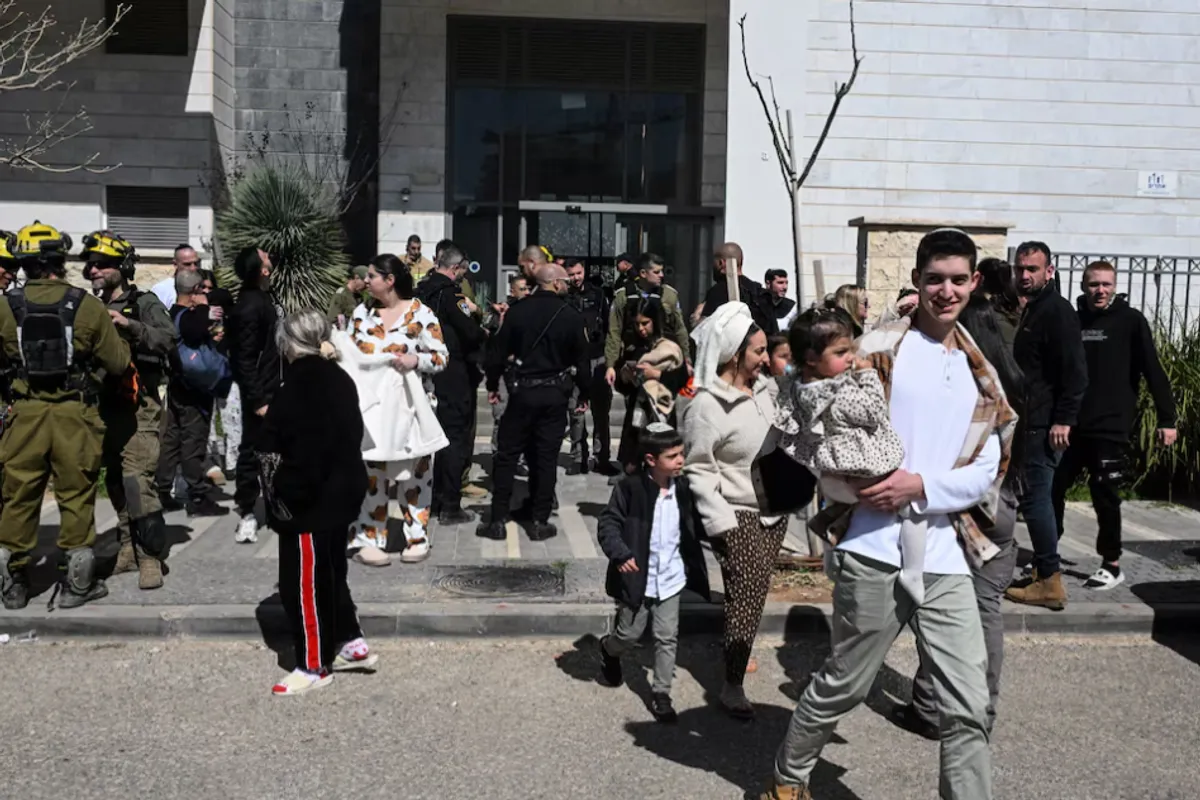
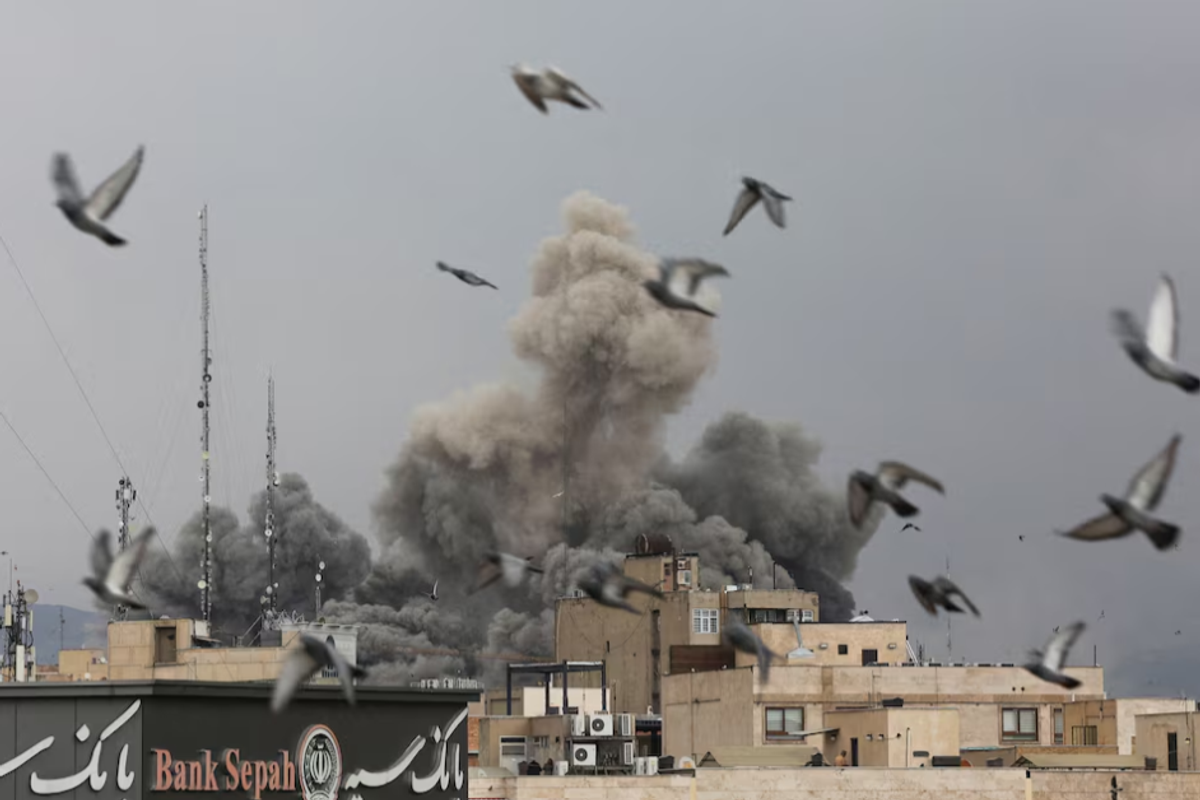
DUBAI/WASHINGTON, March 2 (GeokHub) – The U.S.-Israeli air campaign against Iran intensified on Monday, opening new fronts across the region as Israel struck Hezbollah positions in Lebanon and Gulf states came under renewed missile and drone attacks.
In a dramatic escalation, Kuwait mistakenly shot down three American F-15E fighter jets during an Iranian assault. All six crew members ejected safely and were recovered, according to U.S. officials. Verified footage showed one of the aircraft spiraling downward with flames trailing from its engine.
War Broadens Across the Middle East
Israel said it launched sweeping airstrikes on Hezbollah targets in Beirut’s southern suburbs after the Iran-backed group fired missiles and drones toward Israeli territory. Lebanese authorities reported dozens killed and over a hundred injured in the strikes.
Israeli officials identified Hezbollah chief Naim Qassem as a target, though they said a ground invasion of Lebanon is not currently planned. Lebanon’s government has banned independent military activity by Hezbollah.
Meanwhile, Iran expanded retaliatory attacks beyond Israel, targeting Gulf states and a British air base in Cyprus. Explosions were reported in Kuwait, the United Arab Emirates and Qatar. Qatar temporarily halted liquefied natural gas production, while Saudi Arabia shut its largest refinery after drone strikes ignited fires.
A drone strike also hit Britain’s Akrotiri base in Cyprus, though officials said damage was limited and no casualties were reported.
Pentagon: Campaign May Take Time
At the Pentagon’s first formal briefing since the offensive began, U.S. Defense Secretary Pete Hegseth declined to specify how long operations would continue, saying the timeline rests with President Donald Trump.
Hegseth said the objective is to dismantle Iran’s ability to project military power across the region and prevent it from developing a nuclear weapon. Iran denies seeking nuclear arms and says it had been engaged in talks to curb its nuclear activities before the attacks began.
General Dan Caine, chairman of the Joint Chiefs of Staff, described a campaign targeting more than 1,000 sites in the first 24 hours. Additional forces are en route to the region, he said, cautioning that the mission would require sustained effort.
Iran’s Leadership Under Pressure
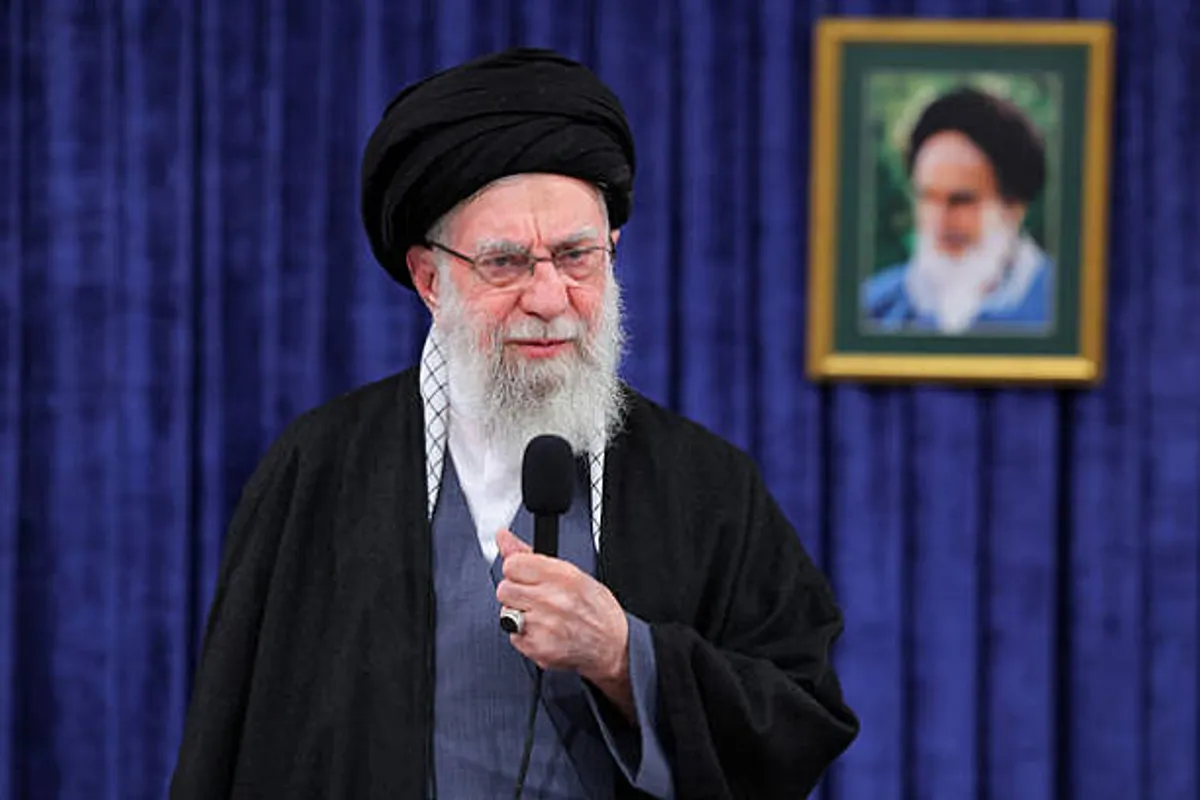
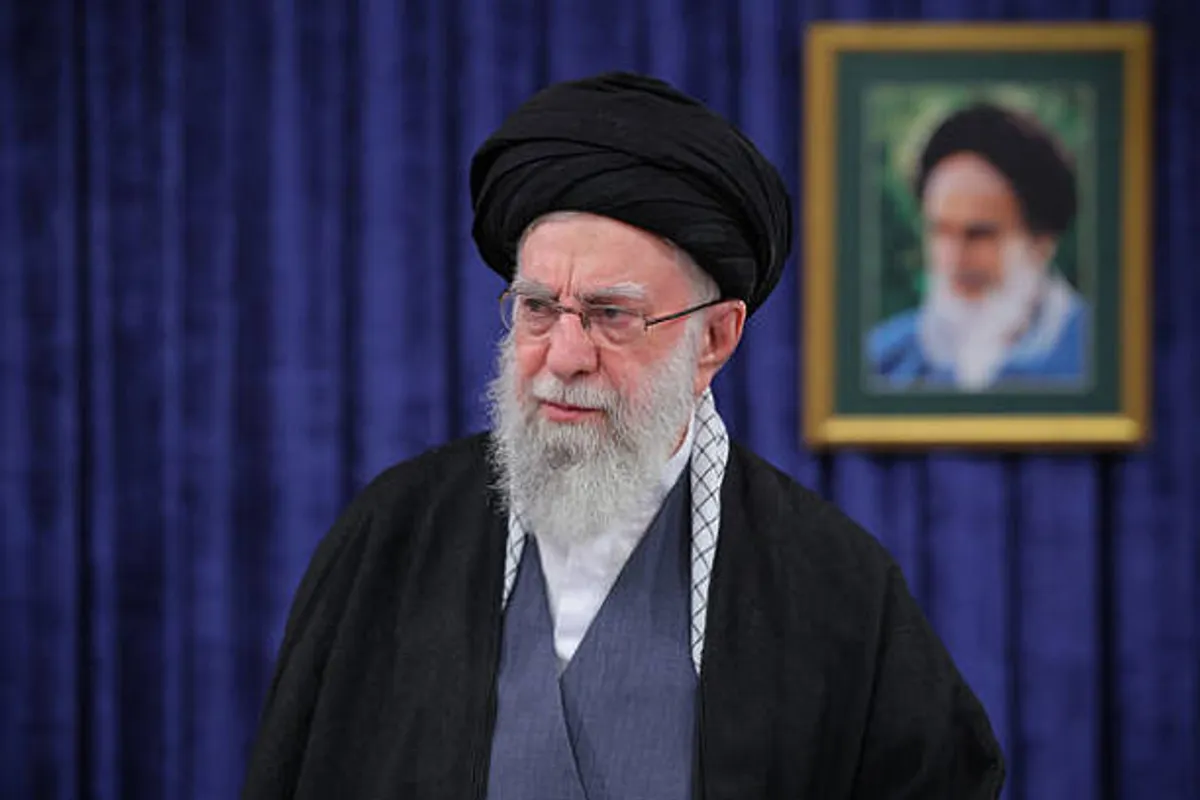
The conflict follows a weekend of strikes that killed Iran’s Supreme Leader Ali Khamenei, a pivotal figure who held ultimate authority over the armed forces and foreign policy for nearly four decades.
Inside Iran, reactions range from celebration among critics of the regime to fear and anger over mounting civilian casualties. Highways have been jammed with residents fleeing major cities amid continued airstrikes.
Despite the leadership vacuum, Iran’s ruling clerical establishment has shown no signs of stepping aside. Senior adviser Ali Larijani said Tehran would continue defending itself and rejected negotiations under pressure.
First U.S. Casualties Confirmed
U.S. Central Command confirmed a fourth American service member had died since the campaign began. Earlier fatalities were reported at a base in Kuwait.
The widening conflict has disrupted global energy markets. Oil prices surged sharply as shipping through the Strait of Hormuz — a vital route for roughly one-fifth of global oil trade — stalled. Hundreds of vessels have reportedly anchored in nearby waters. Stock markets fell and the U.S. dollar strengthened amid uncertainty.
With regional allies drawn into the conflict and energy infrastructure increasingly targeted, analysts warn the crisis could reshape Middle East geopolitics and test global economic resilience in the weeks ahead.# Israel Expands Strikes to Lebanon as Kuwait Downs U.S. Jets by Mistake in Widening Iran War
DUBAI/WASHINGTON, March 2 – The U.S.-Israeli air campaign against Iran intensified on Monday, opening new fronts across the region as Israel struck Hezbollah positions in Lebanon and Gulf states came under renewed missile and drone attacks.
In a dramatic escalation, Kuwait mistakenly shot down three American F-15E fighter jets during an Iranian assault. All six crew members ejected safely and were recovered, according to U.S. officials. Verified footage showed one of the aircraft spiraling downward with flames trailing from its engine.
War Broadens Across the Middle East
Israel said it launched sweeping airstrikes on Hezbollah targets in Beirut’s southern suburbs after the Iran-backed group fired missiles and drones toward Israeli territory. Lebanese authorities reported dozens killed and over a hundred injured in the strikes.
Israeli officials identified Hezbollah chief Naim Qassem as a target, though they said a ground invasion of Lebanon is not currently planned. Lebanon’s government has banned independent military activity by Hezbollah.
Meanwhile, Iran expanded retaliatory attacks beyond Israel, targeting Gulf states and a British air base in Cyprus. Explosions were reported in Kuwait, the United Arab Emirates and Qatar. Qatar temporarily halted liquefied natural gas production, while Saudi Arabia shut its largest refinery after drone strikes ignited fires.
A drone strike also hit Britain’s Akrotiri base in Cyprus, though officials said damage was limited and no casualties were reported.
Pentagon: Campaign May Take Time
At the Pentagon’s first formal briefing since the offensive began, U.S. Defense Secretary Pete Hegseth declined to specify how long operations would continue, saying the timeline rests with President Donald Trump.
Hegseth said the objective is to dismantle Iran’s ability to project military power across the region and prevent it from developing a nuclear weapon. Iran denies seeking nuclear arms and says it had been engaged in talks to curb its nuclear activities before the attacks began.
General Dan Caine, chairman of the Joint Chiefs of Staff, described a campaign targeting more than 1,000 sites in the first 24 hours. Additional forces are en route to the region, he said, cautioning that the mission would require sustained effort.
Iran’s Leadership Under Pressure
The conflict follows a weekend of strikes that killed Iran’s Supreme Leader Ali Khamenei, a pivotal figure who held ultimate authority over the armed forces and foreign policy for nearly four decades.
Inside Iran, reactions range from celebration among critics of the regime to fear and anger over mounting civilian casualties. Highways have been jammed with residents fleeing major cities amid continued airstrikes.
Despite the leadership vacuum, Iran’s ruling clerical establishment has shown no signs of stepping aside. Senior adviser Ali Larijani said Tehran would continue defending itself and rejected negotiations under pressure.
First U.S. Casualties Confirmed
U.S. Central Command confirmed a fourth American service member had died since the campaign began. Earlier fatalities were reported at a base in Kuwait.
The widening conflict has disrupted global energy markets. Oil prices surged sharply as shipping through the Strait of Hormuz — a vital route for roughly one-fifth of global oil trade — stalled. Hundreds of vessels have reportedly anchored in nearby waters. Stock markets fell and the U.S. dollar strengthened amid uncertainty.
With regional allies drawn into the conflict and energy infrastructure increasingly targeted, analysts warn the crisis could reshape Middle East geopolitics and test global economic resilience in the weeks ahead.