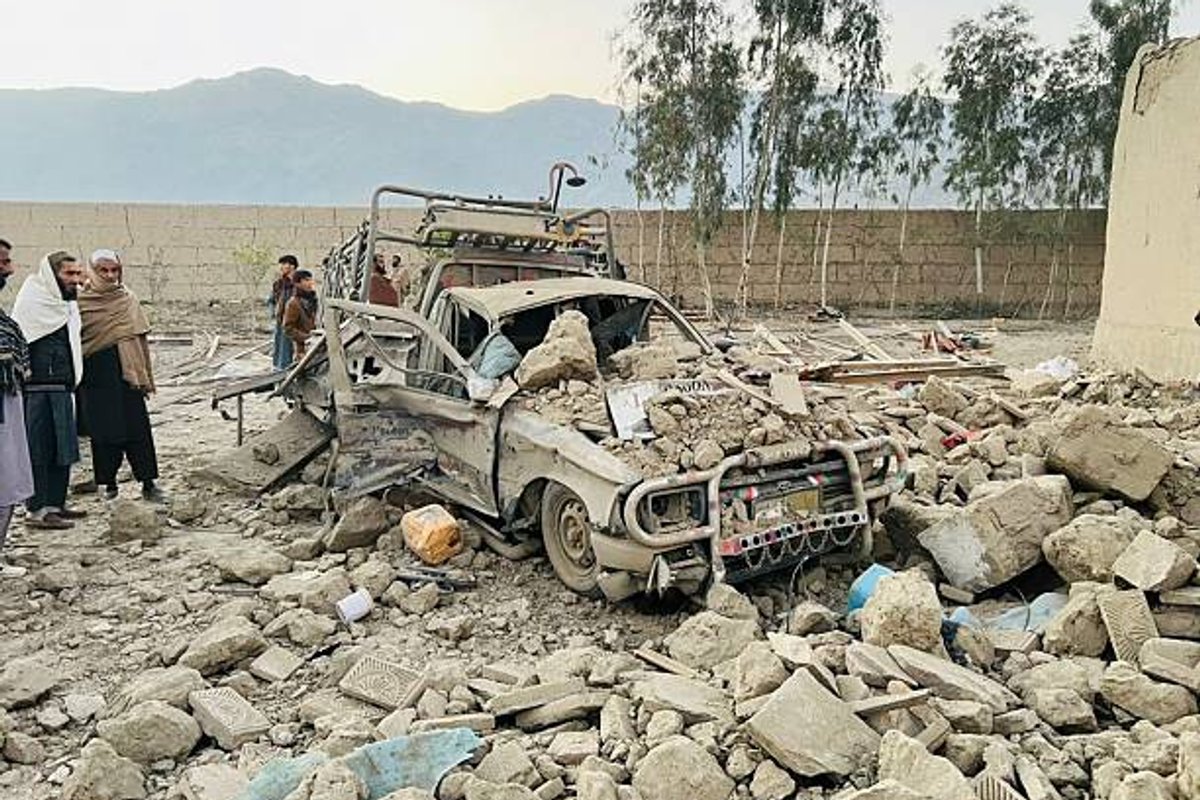
KABUL, Feb. 28 (GeokHub) — Fighting between Pakistan and Afghanistan’s Taliban forces entered a third consecutive day on Saturday, escalating tensions along their volatile border and drawing urgent calls for restraint from global powers.
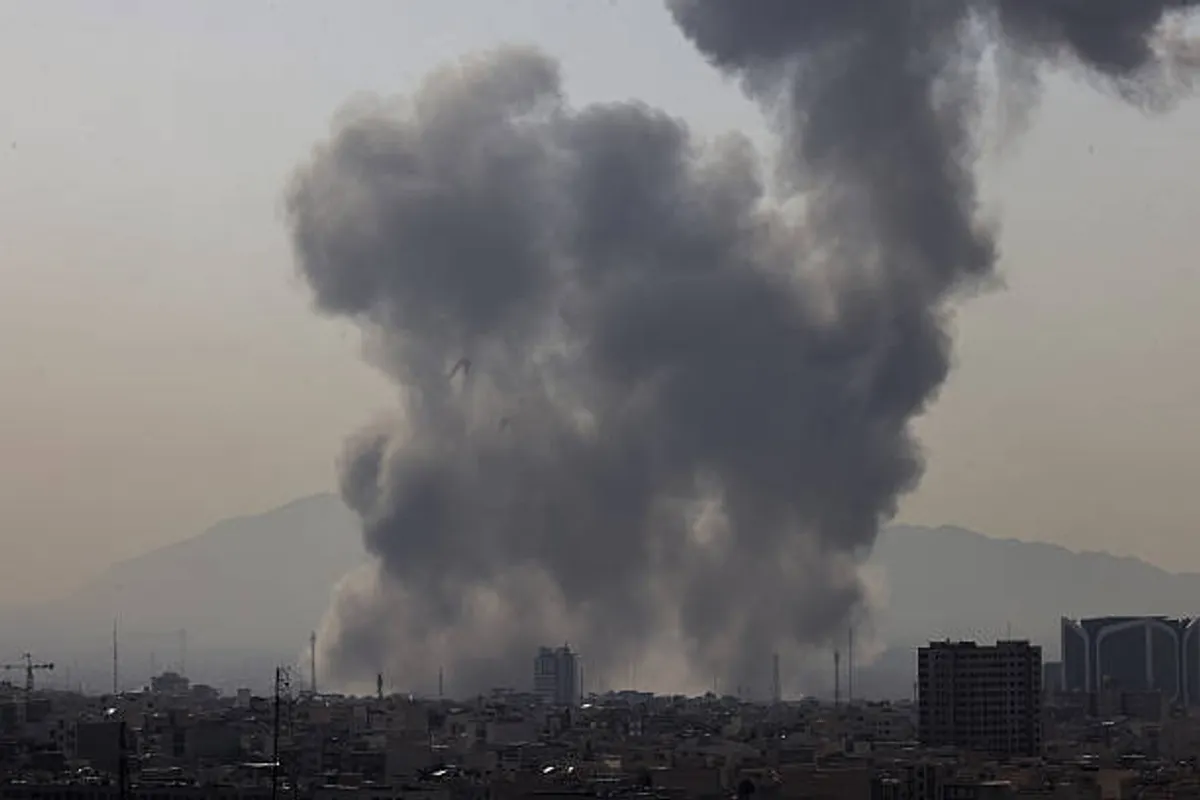
The confrontation follows a series of cross-border strikes that Pakistani officials said targeted Taliban military positions, including sites in Kabul and Kandahar. The operations mark one of the deepest incursions by Pakistan into Afghan territory in years.
Islamabad maintains that the strikes are a response to persistent cross-border attacks carried out by militants it says are operating from Afghan soil. Pakistan accuses the Taliban authorities of harboring members of Tehreek-e-Taliban Pakistan (TTP), an armed group blamed for a resurgence of violence inside Pakistan. Taliban officials have denied those allegations.
Kabul condemned the strikes as a violation of its sovereignty, while signaling openness to diplomatic engagement. Afghan authorities warned, however, that further escalation could carry “serious consequences.”
Border Exchanges Continue
Clashes were reported overnight along the rugged 2,600-kilometer frontier that divides the two nations. Pakistani security officials said a military operation was underway aimed at dismantling militant infrastructure near the border. Afghan officials, meanwhile, reported continued resistance by their forces.
Casualty figures released by both sides differ significantly, and independent verification remains limited. Civilian casualties have also been reported in eastern Afghan provinces, adding to humanitarian concerns.
Pakistan’s Defense Minister described the confrontation as an “open war” situation, stating that Islamabad would continue to respond to any perceived aggression. Taliban officials, for their part, warned that the conflict could become costly if it broadens.
Diplomatic Efforts Accelerate
International concern has grown rapidly as the fighting threatens broader regional instability.
Afghanistan’s Foreign Minister, Amir Khan Muttaqi, held discussions with Saudi Arabia’s foreign minister, Prince Faisal bin Farhan, focusing on reducing tensions and maintaining diplomatic communication channels.
The European Union called for immediate de-escalation and renewed dialogue. The United Nations urged an end to hostilities, while Russia and China expressed concern and encouraged both parties to return to negotiations.
The United States said Pakistan has the right to defend itself against militant attacks but emphasized the importance of preventing further escalation.
Strategic and Regional Implications
The confrontation underscores the fragile security dynamics between the two neighbors. Pakistan possesses a significantly larger and more technologically advanced military, including a modern air force. By contrast, Taliban forces rely primarily on ground troops and light weaponry, though they are battle-hardened from decades of insurgency warfare.
Analysts warn that prolonged conflict could destabilize border regions already struggling with economic hardship and militant activity. The situation also presents diplomatic challenges for regional powers seeking stability in South and Central Asia.
With exchanges of fire continuing and political rhetoric intensifying, the coming days may prove decisive in determining whether the crisis shifts toward diplomacy or deeper conflict.