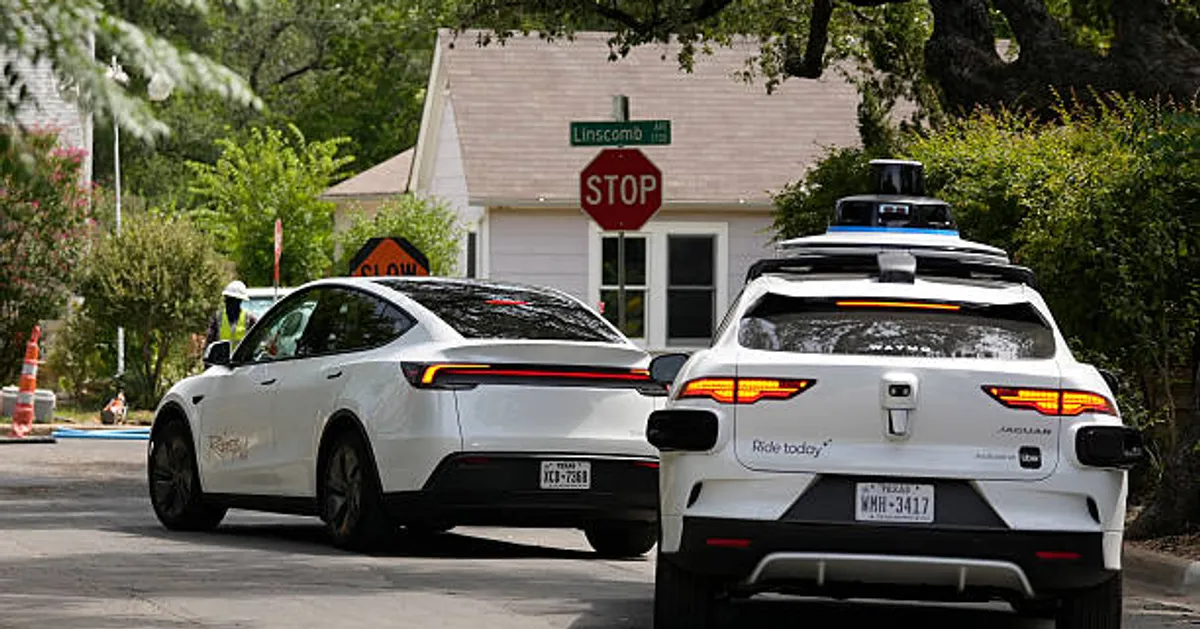
WASHINGTON, Feb 17 (GEokHub) — Waymo, the autonomous vehicle division of Alphabet, has defended its use of remote assistance personnel following questions from U.S. lawmakers about the safety and oversight of its robotaxi operations.
In a letter to Senator Ed Markey, the company stated that remote workers are not used to drive or directly control its vehicles during on-road operations in the United States. Waymo emphasized that it does not deploy remote driving or “tele-operations” to perform active driving tasks.
Clarifying the Role of Remote Assistance
Waymo explained that remote assistance teams provide guidance and situational support when an autonomous vehicle encounters unusual or ambiguous road scenarios. However, the company said these personnel do not steer, brake, accelerate, or otherwise directly control the vehicles.
In rare situations during training — but not in live public operations — U.S.-based personnel have been able to prompt a stopped vehicle to move forward at a very low speed to clear a traffic lane. Waymo stressed that such scenarios have not occurred during commercial service.
According to the company, its automated driving system initiates contact with remote staff only when it needs clarification. Even then, the vehicle retains decision-making authority and can disregard suggestions if they conflict with onboard safety protocols.
“This distinction is fundamental to our safety model,” the company said, underscoring that real-time control remains with the vehicle’s internal systems.
Global Remote Support Structure
Waymo operates four remote assistance centers — two in the United States and two in the Philippines. At any given time, approximately 70 remote assistance agents support the fleet.
Only a specialized U.S.-based Event Response Team, responsible for handling crash or safety incidents, has the capability to prompt limited vehicle movement in specific safety scenarios.
Lawmakers Raise Safety and Security Concerns
Senator Markey, along with Representative Buddy Carter, has requested more transparency around how remote assistance operations function. Markey said Congress and the public deserve assurances that such systems do not pose risks to passengers, road users, or national security.
Carter has also asked the U.S. Transportation Department to review Waymo’s use of overseas remote personnel, citing concerns about roadway safety and situational awareness. The Transportation Department has indicated it will respond to the inquiry.
Markey sent similar letters to other autonomous vehicle companies, including Tesla, Zoox, and Aurora.
How the System Works
Waymo stated that remote personnel are not actively monitoring vehicles in anticipation of intervention. Instead, the autonomous system independently manages driving decisions and reaches out only when it encounters complex conditions requiring clarification.
The average time between a vehicle’s request for guidance and the delivery of assistance is typically a matter of seconds. In most cases, the vehicle resolves the situation independently before remote advice is needed, the company said.
As scrutiny over autonomous vehicle safety grows, Waymo’s explanation highlights the delicate balance between human oversight and fully automated driving technology in the evolving robotaxi industry.