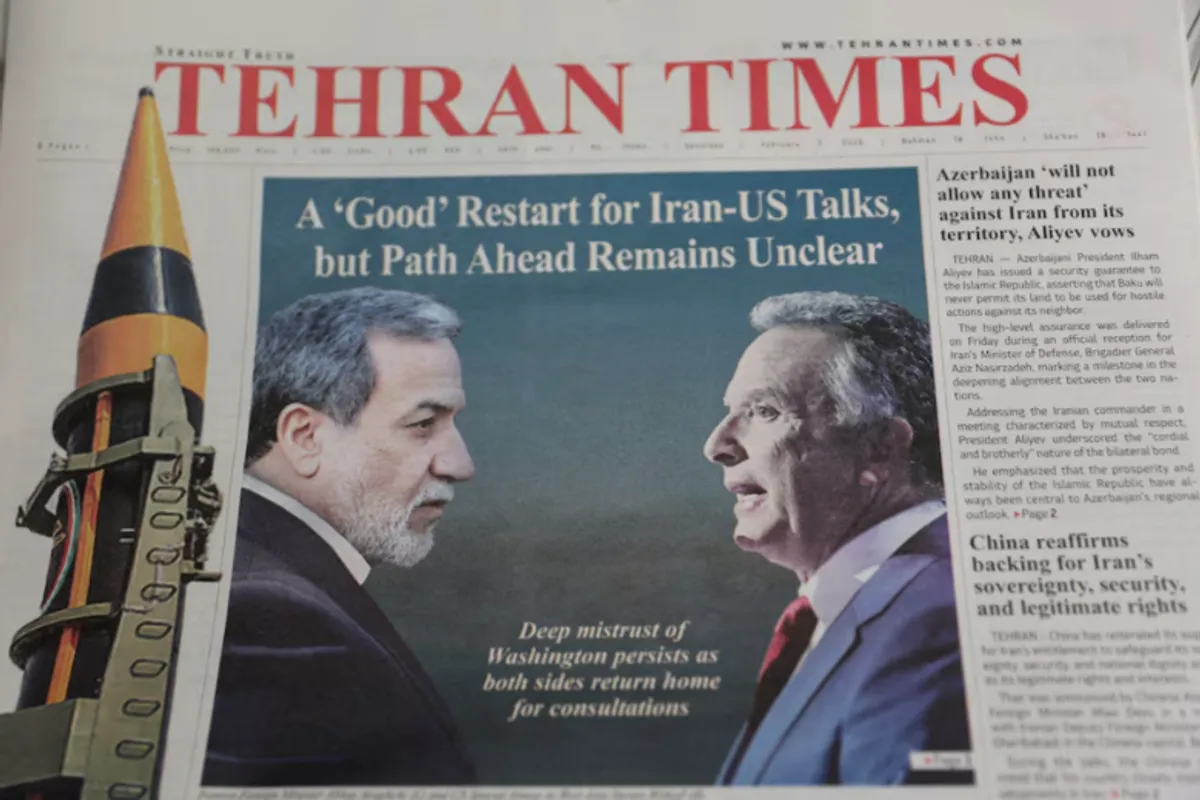
GENEVA / TEHRAN, Feb 15 (GeokHub) — Iran has indicated it is open to compromise in nuclear negotiations with the United States, provided Washington is prepared to ease economic sanctions, Iranian officials said ahead of a second round of talks between the two countries.
Diplomatic efforts between Tehran and Washington resumed earlier this month in an attempt to resolve their long-standing dispute over Iran’s nuclear program and prevent a potential military escalation. The renewed negotiations come amid heightened tensions in the region, with the U.S. deploying a second aircraft carrier and preparing contingency plans should diplomacy fail.
Economic Incentives at the Center of Talks
Iranian officials emphasized that any agreement must deliver tangible economic gains for both sides to ensure durability. According to Iran’s deputy foreign ministry official for economic diplomacy, areas under discussion include cooperation in oil and gas development, joint energy fields, mining investments, and even civilian aircraft purchases.
Tehran argues that the 2015 nuclear agreement did not sufficiently secure American economic interests, contributing to its collapse when then-President Donald Trump withdrew the United States from the pact in 2018 and reinstated sweeping sanctions.
Iran now appears to be signaling flexibility, including the possibility of diluting its highest-enriched uranium stockpile in exchange for sanctions relief. However, Iranian officials reiterated that a complete halt to uranium enrichment remains unacceptable — a longstanding sticking point in negotiations.
U.S. Pushes Diplomacy While Keeping Military Options Open
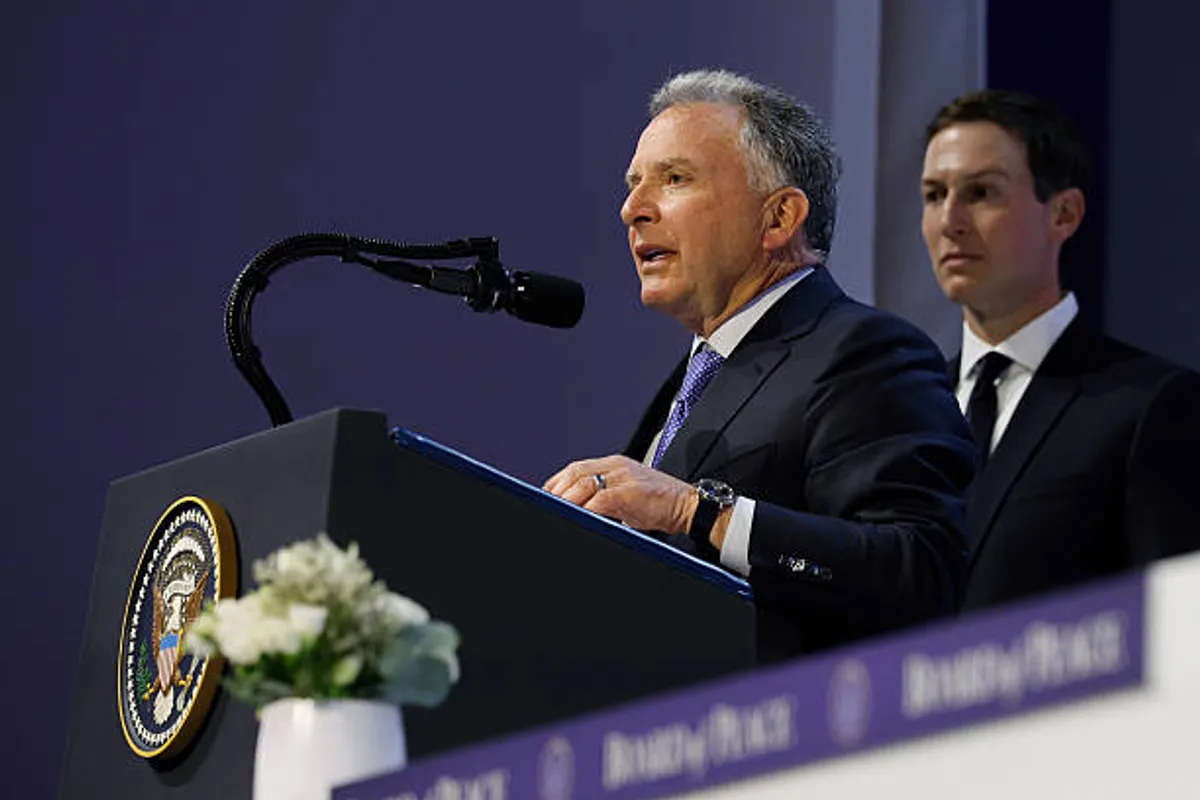
U.S. Secretary of State Marco Rubio said President Trump prefers a diplomatic resolution but acknowledged the difficulty of reaching an agreement. He confirmed that U.S. envoys are engaged in discussions in Geneva, though he declined to elaborate on specifics.
Unlike the multilateral framework that produced the 2015 deal, the current negotiations are bilateral, with Oman serving as mediator.
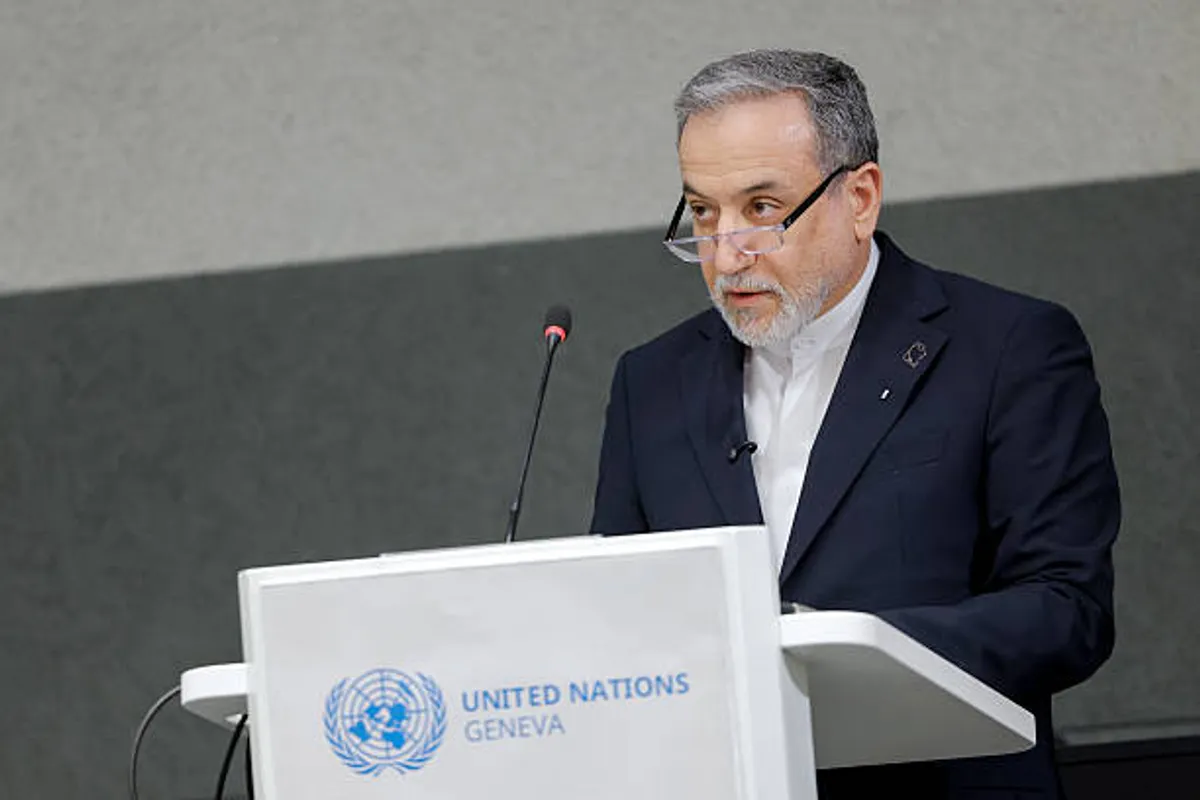
Iran’s Foreign Minister Abbas Araqchi traveled to Geneva to participate in indirect talks and to meet with officials from the International Atomic Energy Agency (IAEA).
Regional and Economic Pressure Mounts
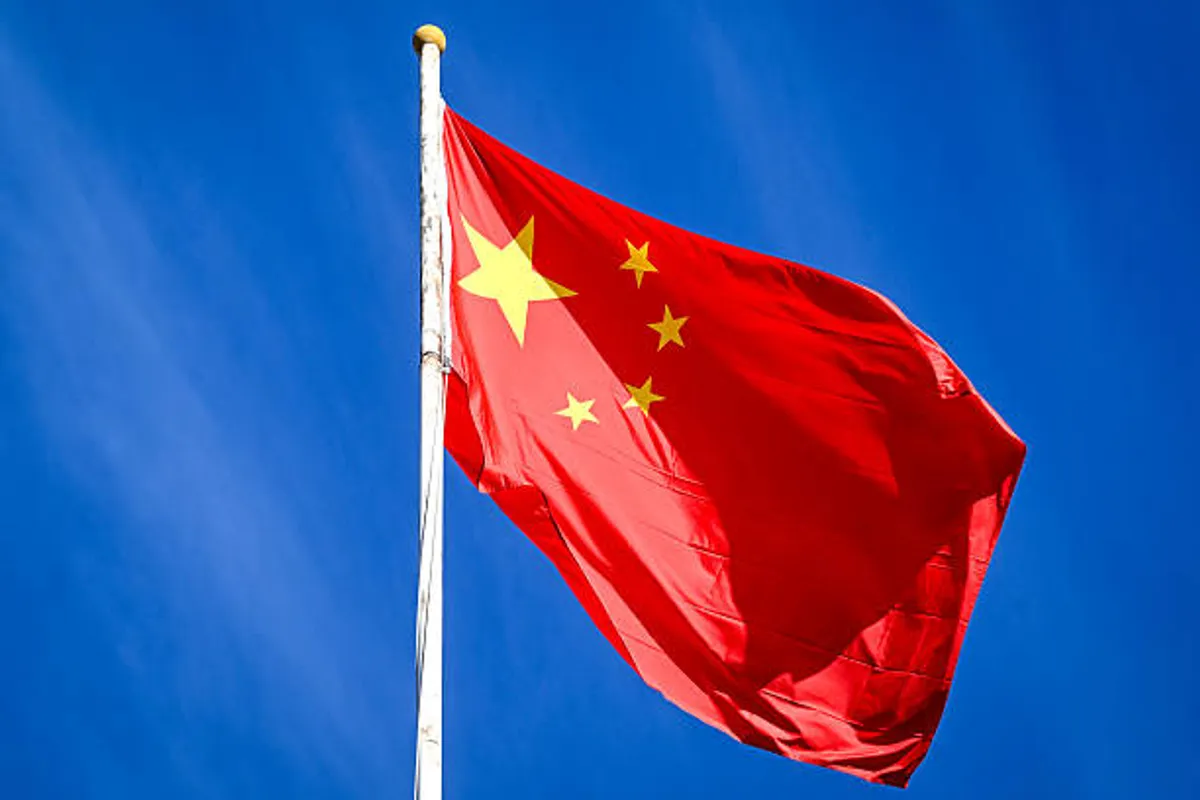
The diplomatic push unfolds against a backdrop of mounting pressure. Iran has warned it could retaliate against U.S. military bases in the Middle East if attacked. Meanwhile, Washington is reportedly exploring measures to curb Iranian oil exports, particularly shipments to China, which accounts for the vast majority of Iran’s crude sales.
Any reduction in that trade could significantly affect Tehran’s revenue stream, increasing the urgency of negotiations.
With both sides publicly expressing interest in diplomacy — while simultaneously reinforcing military and economic leverage — the coming days of talks in Geneva may prove pivotal in determining whether tensions ease or escalate further.