WASHINGTON, Feb 14 (Geokhub) — The United States military is preparing contingency plans for sustained operations against Iran that could extend for weeks if President Donald Trump authorizes military action, according to U.S. officials familiar with the planning.
The preparations signal a possible escalation beyond previous limited engagements between the two countries and come at a sensitive moment as diplomatic talks are underway.
Dual Track: Diplomacy and Military Buildup
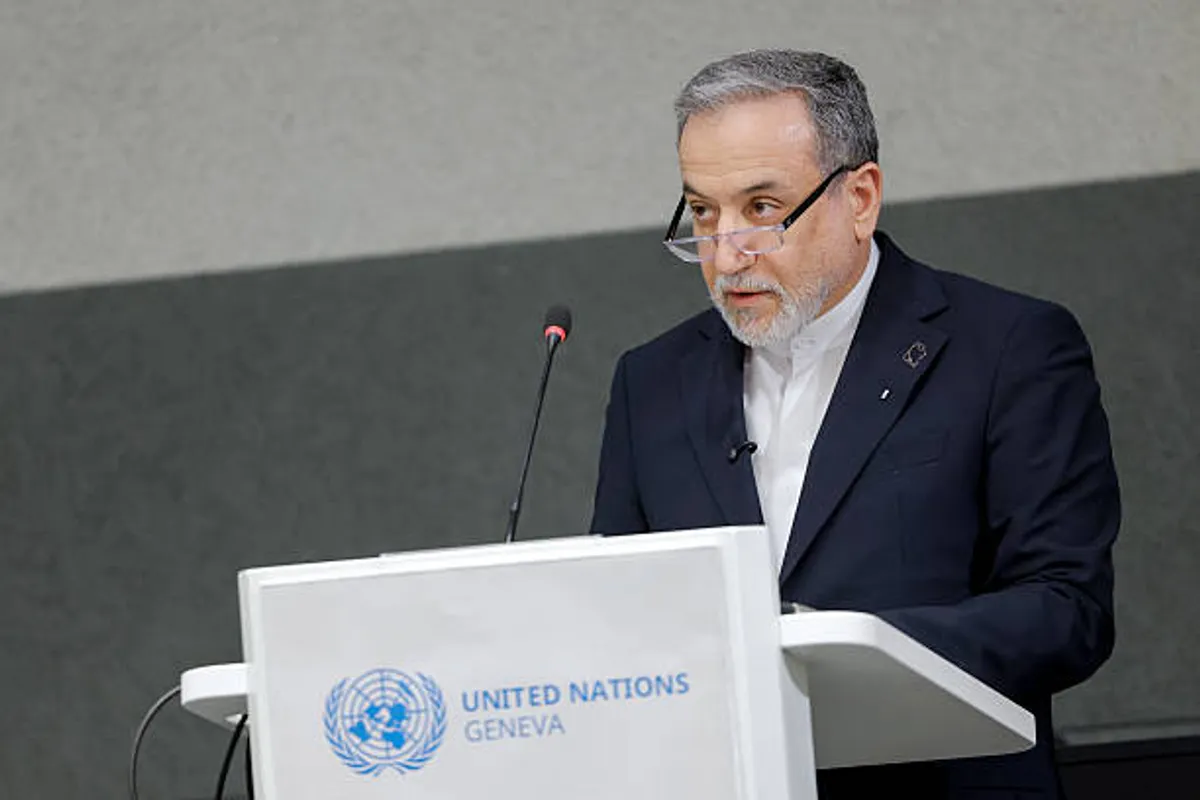
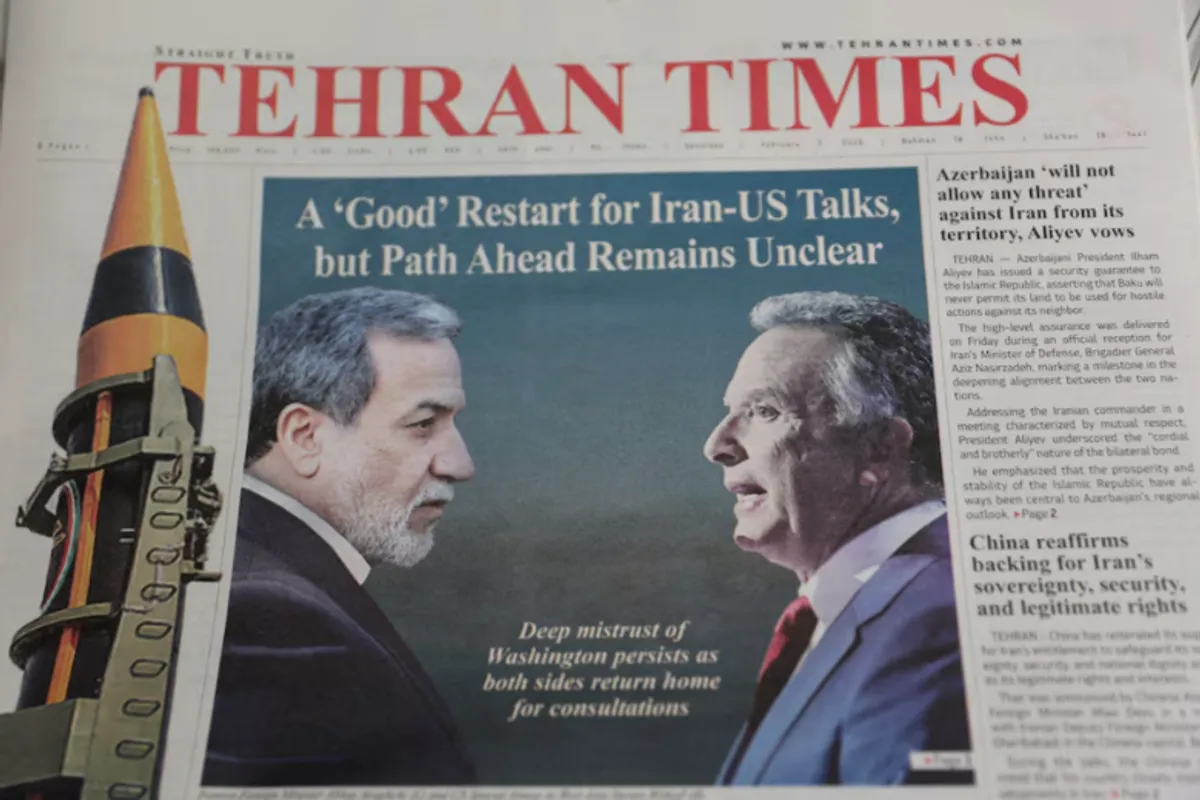
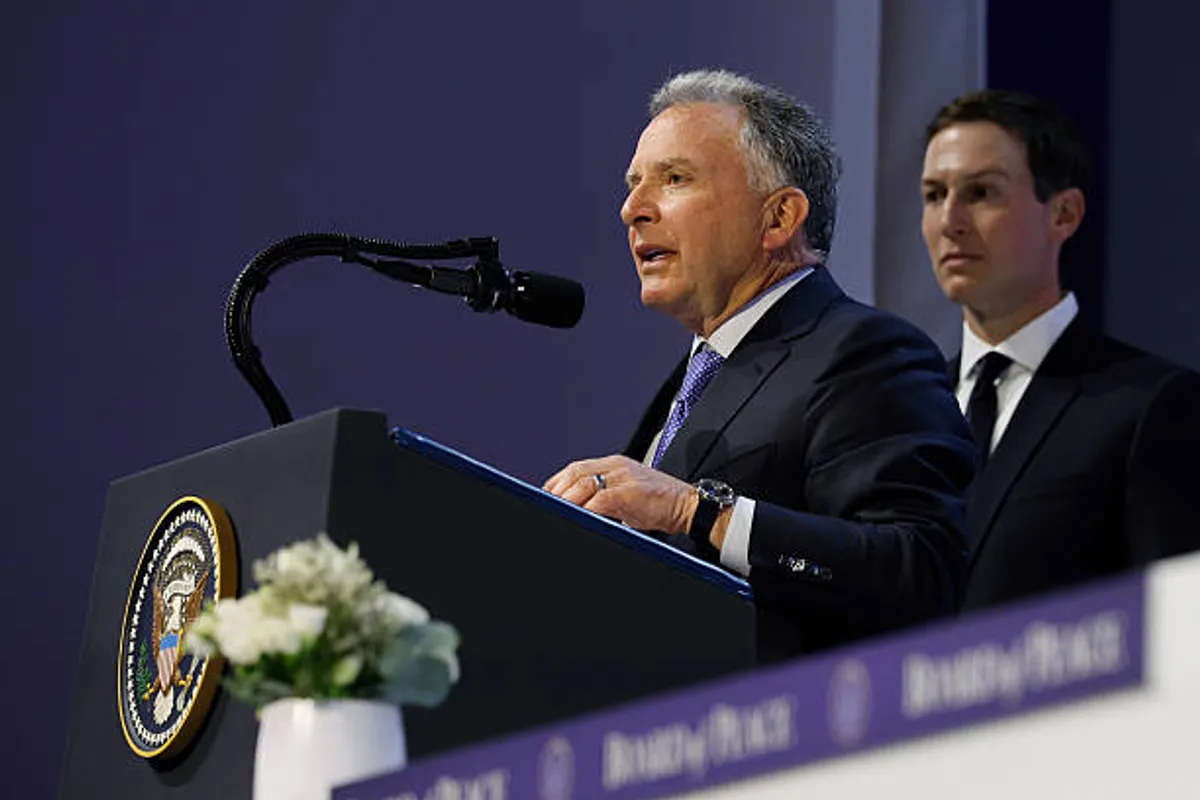
U.S. envoys Steve Witkoff and Jared Kushner are scheduled to meet Iranian officials in Geneva, with Oman acting as mediator.
Secretary of State Marco Rubio acknowledged that while President Trump prefers a negotiated settlement, reaching a deal remains difficult.
At the same time, Washington has significantly increased its military footprint in the Middle East. The Pentagon has ordered an additional aircraft carrier to the region, along with thousands of troops, fighter aircraft, guided-missile destroyers, and other strike-capable assets.
Speaking after a military event in North Carolina, Trump openly suggested that political change in Iran “would be the best thing that could happen,” though he did not elaborate on specifics. Despite his long-standing reluctance to deploy ground forces, the military assets currently positioned in the region suggest potential air and naval strike options.
More Complex Than Previous Strikes
Unlike last year’s limited “Midnight Hammer” operation — a one-off strike targeting Iranian nuclear facilities — current planning is described as more expansive.
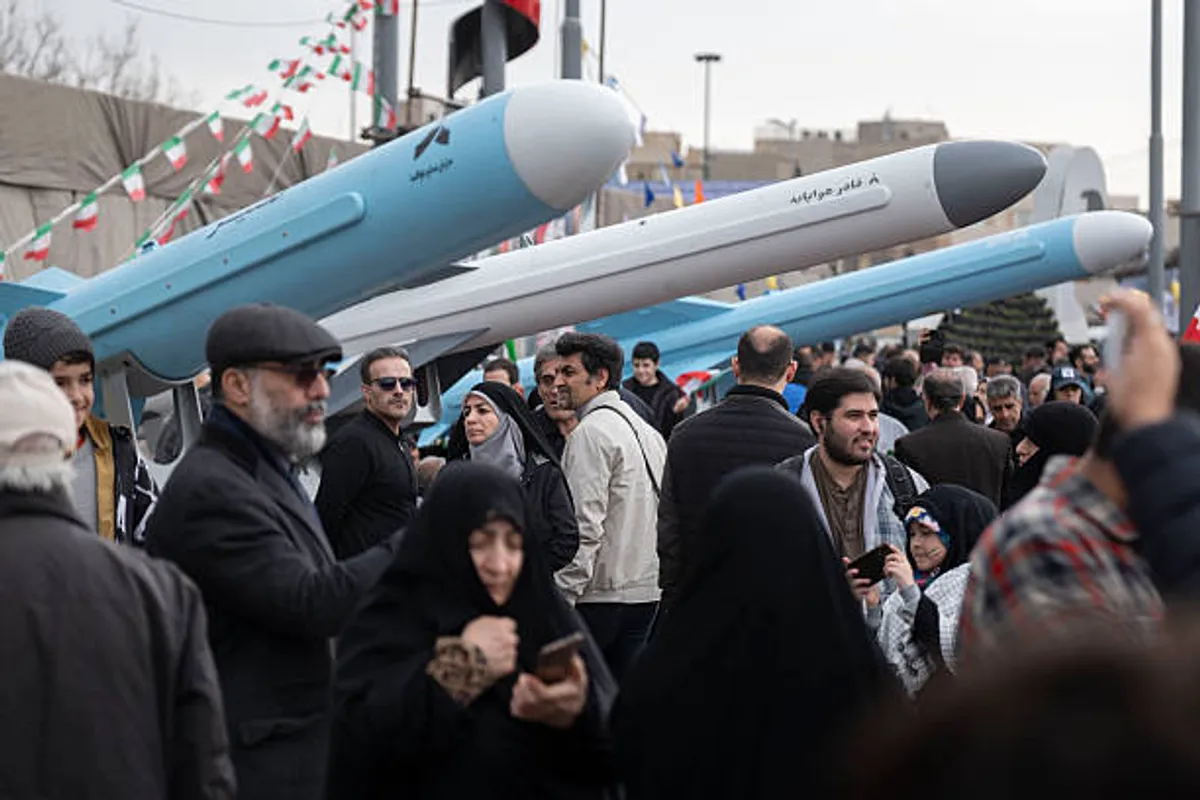
Officials indicated that a sustained campaign could involve strikes not only on nuclear infrastructure but also on Iranian state and security facilities. Analysts warn that such action would carry significantly higher risks due to Iran’s extensive missile arsenal.
Tehran has previously warned that any U.S. attack would trigger retaliation against American military bases across the Middle East, including installations in Jordan, Kuwait, Saudi Arabia, Qatar, Bahrain, the United Arab Emirates, and Turkey.
Rising Regional Stakes
Iran has signaled willingness to negotiate limits on its nuclear program in exchange for sanctions relief, but has rejected linking those talks to its ballistic missile capabilities — a key concern for Washington.
Israeli Prime Minister Benjamin Netanyahu recently met with Trump in Washington, emphasizing that any agreement must address Israel’s core security concerns.
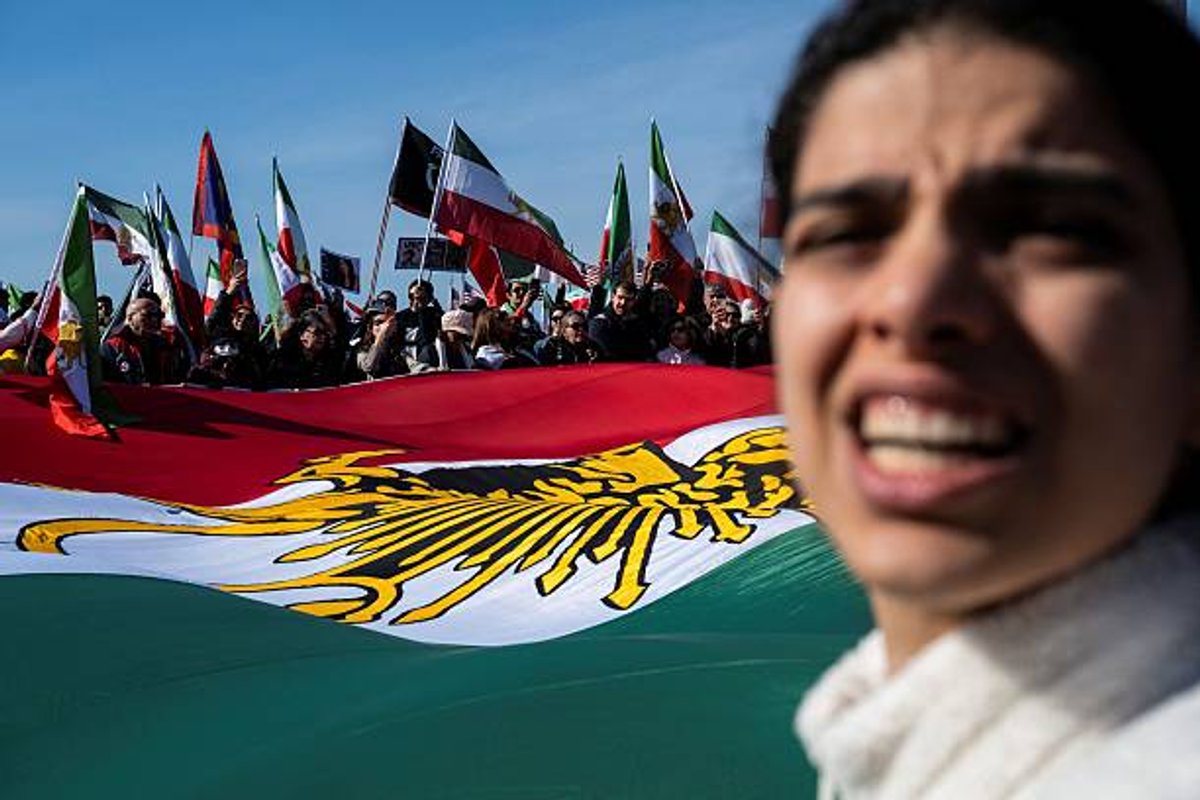
Meanwhile, Iranian opposition figure Reza Pahlavi argued that military pressure could accelerate political change inside Iran, suggesting the current government may be vulnerable.
With diplomacy continuing in Geneva and military forces positioned across the region, the coming days could prove decisive in determining whether tensions ease or escalate into a broader conflict.