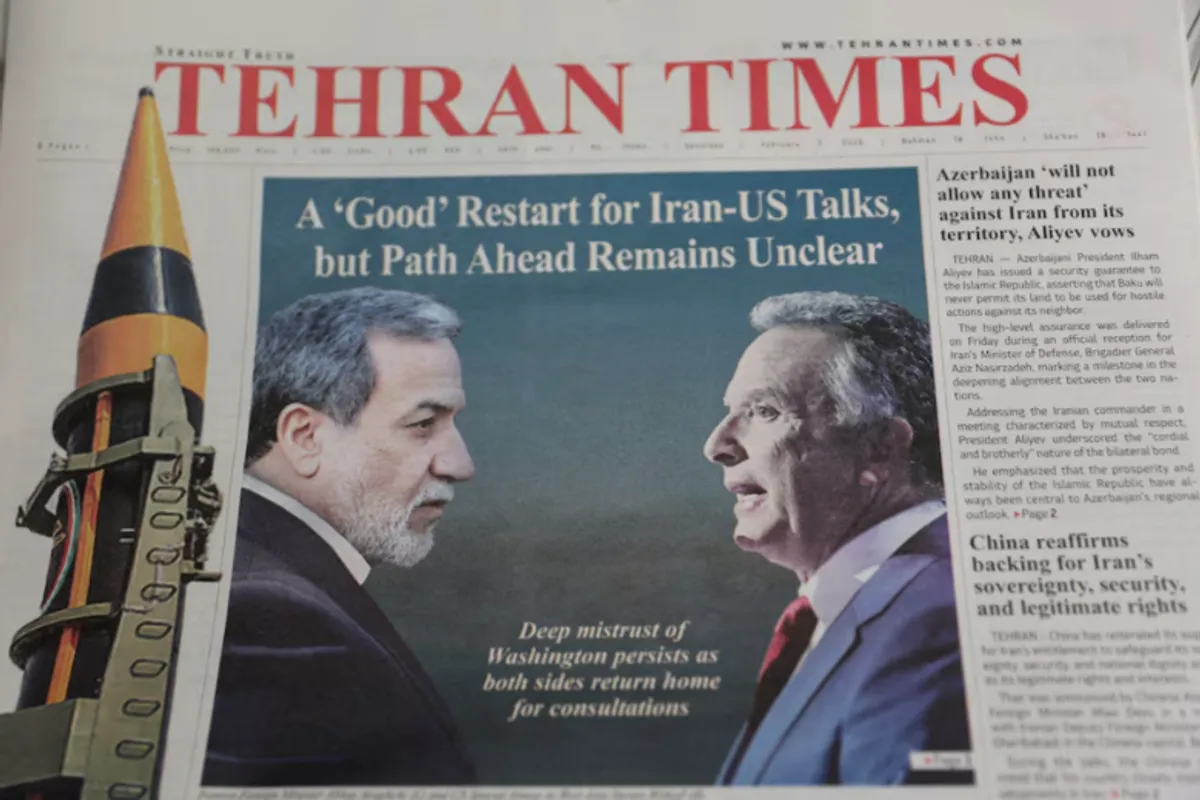
GENEVA, Feb 17 (GeokHub) — The United States and Iran reached a preliminary understanding on key “guiding principles” during high-stakes nuclear discussions in Geneva, signaling cautious progress in a dispute that has fueled regional instability for years.
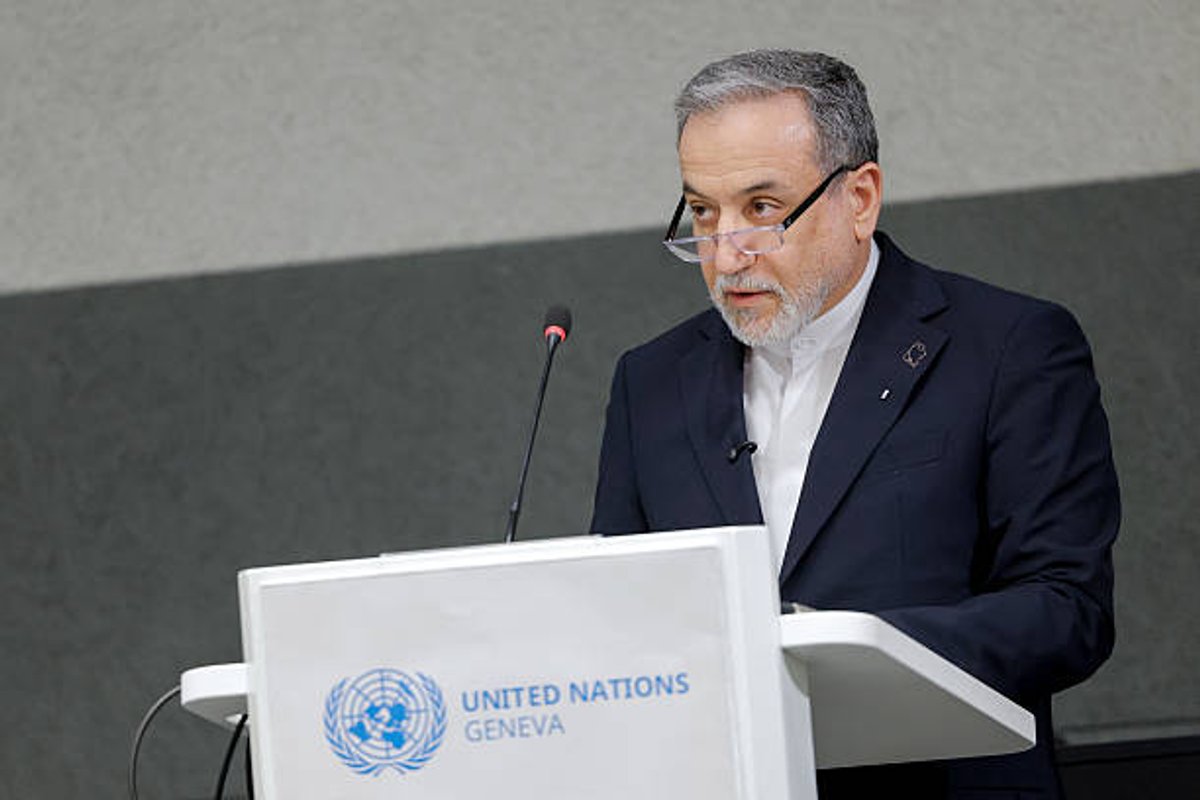
Iranian Foreign Minister Abbas Araqchi said the talks produced a general framework for continued negotiations but stressed that a comprehensive agreement remains distant.
“Different ideas were presented and seriously discussed,” Araqchi told Iranian media following the meeting. “We’ve reached a general agreement on certain guiding principles.”
Oil Prices React to Diplomatic Progress
Energy markets responded swiftly. Brent crude futures fell more than 1% after comments suggested reduced immediate risk of military escalation in the Gulf region.
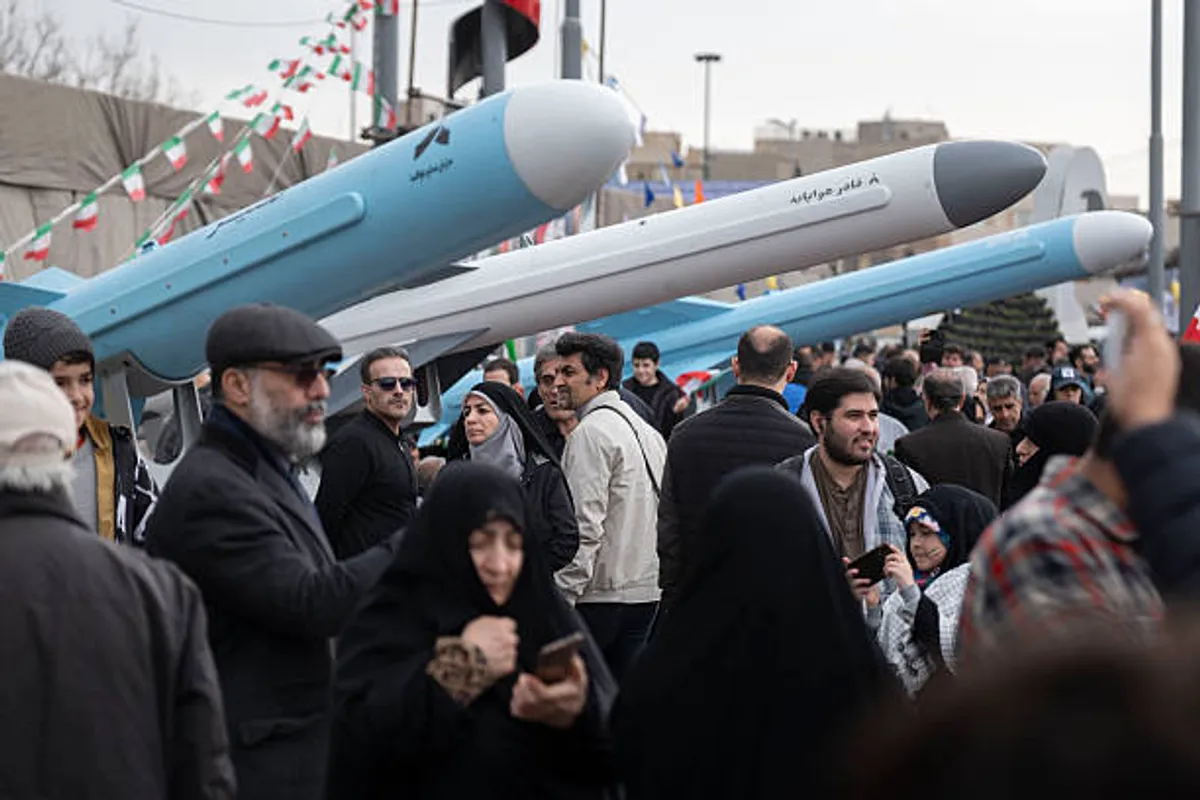
The diplomatic engagement comes amid heightened military signaling. The United States has deployed forces to the region, while Iranian authorities temporarily restricted navigation in parts of the Strait of Hormuz during military drills — a move that revived concerns about global oil supply disruptions.
Roughly one-fifth of the world’s oil flows through the strategic waterway.
Indirect Talks, Omani Mediation
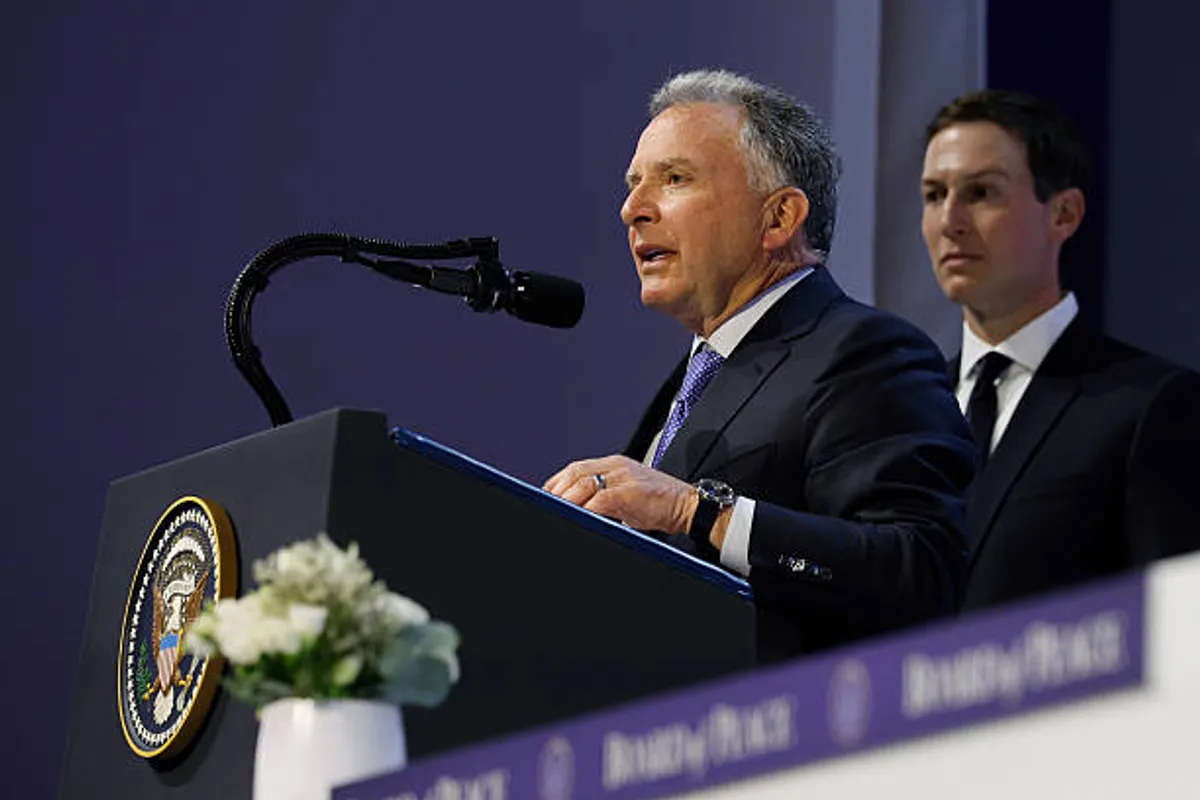
The discussions were held indirectly, with Oman serving as mediator. U.S. Special Envoy Steve Witkoff and Jared Kushner participated on behalf of Washington, while Araqchi represented Tehran.
Oman’s Foreign Minister, Badr al-Busaidi, indicated that both sides departed Geneva with “clear next steps,” though significant work remains before any formal accord is finalized.
The White House has not publicly detailed the outcome of the session.
War Threats and Political Messaging
The talks unfolded against a backdrop of recent military escalation. Last year, the United States joined Israel in targeting Iranian nuclear facilities with airstrikes involving B-2 bombers.
President Donald Trump said earlier this week he was involved “indirectly” in the negotiations and suggested Iran faces serious consequences if diplomacy fails.
Iran’s Supreme Leader Ayatollah Ali Khamenei responded sharply, warning that attempts at regime change would not succeed and reiterating that Iran’s missile program is non-negotiable.
Core Dispute: Nuclear Program and Sanctions
Tehran maintains that its nuclear activities are for peaceful energy purposes and insists it will not abandon uranium enrichment entirely. Washington and its allies argue Iran’s enrichment levels exceed civilian requirements and raise proliferation concerns.
Iran says it is prepared to negotiate limitations on its nuclear program in exchange for meaningful sanctions relief but rejects expanding talks to include its missile arsenal.
Iran remains a signatory to the Nuclear Non-Proliferation Treaty (NPT), which allows civilian nuclear development under international monitoring. Israel has not signed the treaty and maintains a long-standing policy of ambiguity regarding its own nuclear capabilities.